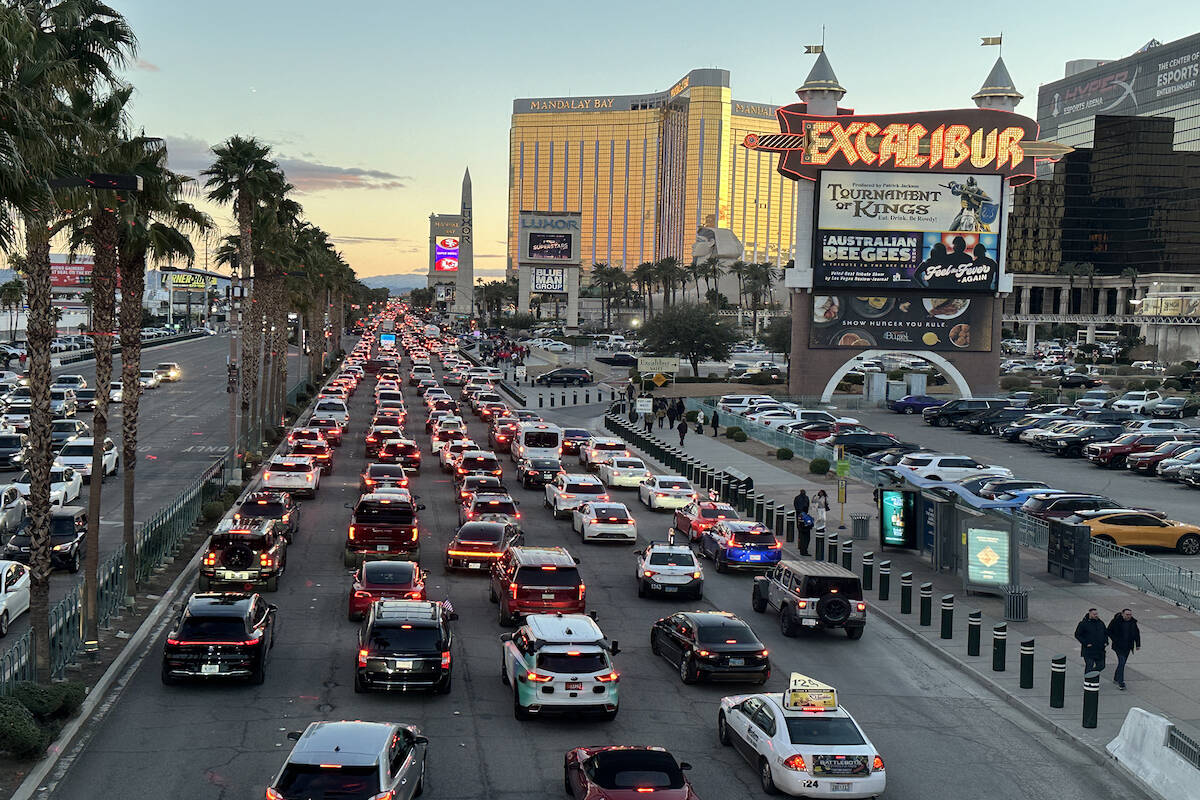
Nevada is now one of the most expensive states in which to insure a vehicle. Insure.com ranks the Silver State as the fourth-costliest state when it comes to acquiring auto coverage, with rates rising 59 percent since 2023. Bankrate.com calculates that Nevada drivers pay “32 percent more per year on average for their full coverage car insurance than the average U.S. driver.”
The reasons for this are numerous. On a national level, newer vehicles brimming with technologically advanced safety equipment cost much more to repair than earlier models. Rampant inflation during the Biden presidency drove up the costs of many goods and services. Nevada’s high vehicle theft rate — the state is one of the five worst in this regard — is a factor. A recent report from the Nevada Division of Insurance also cited the state’s “higher frequency of accidents and higher severity of injuries sustained in accidents.”
Not surprisingly, the current state of affairs has caught the attention of the political class in Nevada and elsewhere. Last month, the Legislature’s Interim Committee on Commerce and Labor held a hearing on the subject in anticipation of introducing legislation during the 2027 session in Carson City.
While no specific policy reforms were proposed during the hearing, the Nevada Current reported, the fact that Democrats have firm control in both the Assembly and Senate increases the likelihood that they will suggest more stringent regulatory measures as a means of controlling costs. But that would be a mistake. Heavy-handed interventions such as price controls stifle innovation and harm consumers in the long run.
Instead, Nevada lawmakers should focus on a number of other reforms, including efforts to reduce the number of uninsured drivers on the road, who drive up the cost of insurance coverage for law-abiding motorists. ValuePenguin.com estimates that about 1 in 10 Nevada drivers lacks the required insurance, not as high as in many states but significant nonetheless.
Other proposals could include tort reform, more liberalized coverage requirements for drivers with limited assets, or easing the state’s insurance premium tax, which is passed on to drivers and is among the highest in the nation. Market-based legislation designed to increase competition and attract more providers would also help.
“The Nevada Division Insurance could perhaps streamline the rate filing process and make it easier for new solvent carriers to enter the marketplace and compete,” Christa Rapoport, general counsel for the National Council of Insurance, told lawmakers last month, the Current reported. “More insurance competition often keeps prices in check.”
That’s a concept Nevada lawmakers must keep in mind when they contemplate legislation to address high auto insurance rates.