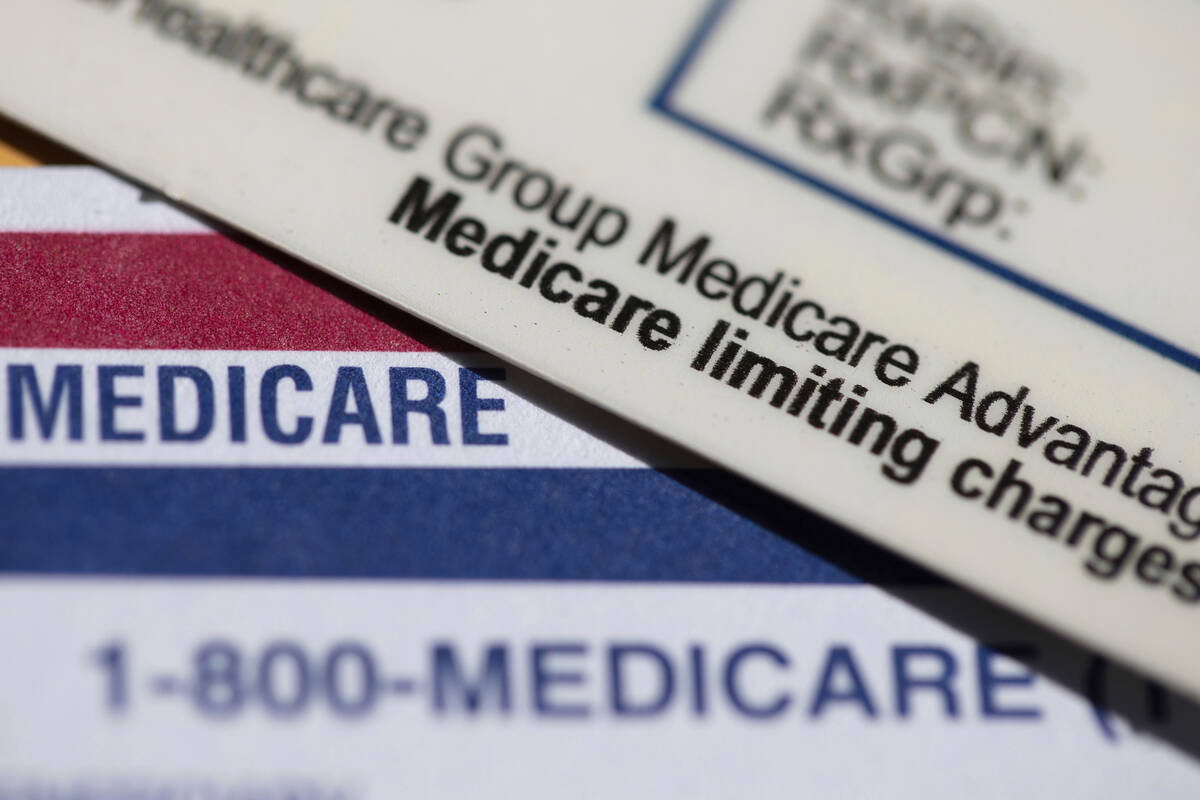
Dear Toni: I’m turning 65 next March and have not had a health insurance plan for over two years because I work part time. I am not receiving my Social Security check, and friends say if I do not sign up for Medicare when I turn 65 I will be making a major mistake. Can you explain in simple terms how to enroll in Medicare when I turn 65? — Sharon, Galveston, Texas
Dear Sharon: Right now, there is an American turning 65 every eight seconds, so you’re not alone. No one wants to make a wrong Medicare decision, which only adds stress to getting older. Follow these steps to enroll in Medicare the right way:
Enroll at the right time: If you are turning 65 and receiving your Social Security check: Your “Welcome to Medicare” kit will be mailed to you with your Medicare card 90 days before you turn 65.
If you are turning 65 and not receiving your Social Security check, and not working full time with employer group health insurance, enroll in Medicare Parts A and B at ssa.gov. (Sharon, this is your situation.)
If you are turning 65 and working full time with employer health insurance, you might want to delay Medicare enrollment until you retire or otherwise lose your health benefits.
Medicare is not free: There is a cost associated with Medicare Parts A and B. Part A has a no-cost premium if you worked 10 years, or 40 quarters, and paid Medicare taxes. Part B has a premium that is based on your annual income. In 2026, most Medicare beneficiaries pay $202.90 each month for their Part B premiums. The Part A deductible for 2026 is $1,736, not once a year but every 60 days, or six times a year. The 2026 Part B deductible is $283 for the year, with Medicare paying 80 percent of the approved amount and you paying the remainder.
Learn the different parts: Original Medicare is Parts A and B, which covers hospital, medical and provider expenses. Part C, known as a Medicare Advantage plan, is another way of receiving your Medicare benefits. Part D is Medicare prescription drug coverage: either a stand-alone plan with original Medicare and a supplemental plan or as part of an Advantage plan that includes a prescription drug policy.
Original Medicare covers a lot: Part A covers inpatient hospital, skilled nursing facility care, home health and hospice care. Part B covers physicians’ services, outpatient surgery/services, lab/X-rays, MRIs, durable medical equipment and preventive services, etc.
There is no network with original Medicare: Your healthcare provider bills Medicare directly.
What Medicare doesn’t cover: Services not covered under Medicare include vision, hearing or dental expenses as well as long-term care.
Medicare Advantage might be a good option: You can choose between original Medicare (Parts A and B), or a Medicare Advantage HMO/PPO plan offered by a private insurance company. Just make sure your doctors are in the plan’s network before enrolling.
Toni King is an author and columnist on Medicare and health insurance issues. If you have a Medicare question, email info@tonisays.com or call 832-519-8664.