Clark County and Las Vegas politicians looking to reduce homelessness could learn something from the timeless wisdom often attributed to Ronald Reagan, “If you want more of something, subsidize it.”
Los Angeles has 45,194 homeless people, according to a recently released report. That’s a 3.4 percent increase from last year. The numbers come from a point-in-time count conducted in January.
The numbers will likely create a political headache for incumbent Mayor Karen Bass. She hasn’t been able to solve this high-profile problem, despite her signature program called Inside Safe. It has paid for more than 6,000 individuals to stay in hotels and other forms of temporary housing. It has cost taxpayers more than $80,000 annually per person receiving assistance. The total cost has exceeded more than $300 million. Even in high-tax California, that’s a lot of money.
In theory, Inside Safe participants are supposed to find permanent living arrangements within 90 days. In April, the Los Angeles Times reported that the average stay was nearly a year. By the end of May, more than 40 percent of program participants had returned to the streets.
There’s a lesson to be learned here. Most people who are persistently homeless struggle with an underlying issue, such as mental illness or substance abuse. Merely providing those individuals with shelter doesn’t address the root cause of their homelessness.
But when the money is flowing, many of those providing services don’t seem to mind.
“A third-party audit of L.A.’s homeless agency last year found the city wasn’t tracking how much was being spent, the number of beds or other services being provided, or outcomes for putative beneficiaries,” The Wall Street Journal recently reported.
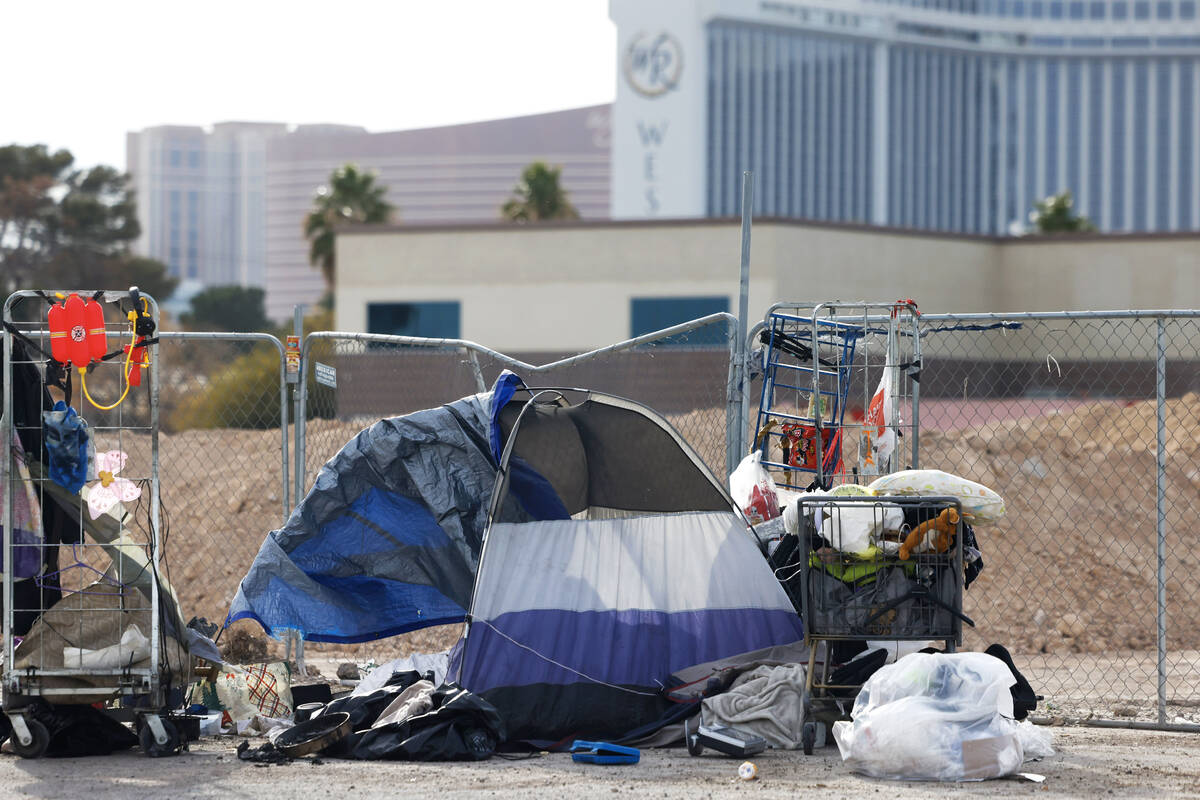
Los Angeles isn’t the only place with a growing homeless population. In January, Clark County had 8,859 homeless people. That’s a 12 percent jump compared to 2024. Officials didn’t conduct a count last year. The percentage of those people without a formal shelter increased from 53 percent in 2024 to 57 percent in 2026.
“We have made substantial investments in congregate and non-congregate shelter resources,” Jennifer Cooper, the county’s chief communications & strategy officer, said in an email. “We now need more targeted investment in permanent housing (PSH & RRH) to transition people into more permanent and sustainable housing solutions.”
Perhaps the county could call its effort Inside Safe.
Good intentions won’t fix homelessness. Officials need to carefully consider the incentive structure they create — including for those for receiving funding.
Southern Nevada officials should learn from LA’s mistakes, not repeat them.