In Quincy, Washington, data centers provide three-fourths of the city’s property tax revenue, and residents have watched their tax rates fall for years. Meanwhile, nationwide in 2026, more than 300 data center-related bills have been filed in 30 states, several communities are revoking incentives they once offered, and New York has imposed a one-year pause on large new data centers. In August, Texas Gov. Greg Abbott halted approvals for new data center connections to the state’s power grid while regulators conduct an audit.
Same industry, opposite outcomes. The difference usually isn’t the data center. It’s whether the people who approved it asked the right questions first.
For a state or local official, a data center isn’t necessarily a prize or a threat. The devil is in the details, and if you know where the devil hides, you can get the best of the benefits with the smallest costs. Here are four questions worth answering before development.
Is the power plan verified?
Electric rates are the concern residents raise most, and the answer depends entirely on the details. It helps to know that not all of these facilities draw on the grid. The largest hyperscale centers often generate their own electric power, but those that connect to the local grid become enormous new customers, and that is where the outcomes split.
If the grid has room to serve the load, that steady demand can spread the system’s fixed costs across more kilowatt-hours and push rates down. A 2026 Electric Power Research Institute study found that pattern nationally: Data center growth lowered average U.S. retail electricity rates from 2015 to 2024.
However, averages hide two different stories. In North Dakota, a data center in Williston connected to a grid with no spare capacity, and the cost of the added transmission landed on local ratepayers’ bills. A data center in Ellendale did the opposite: It bought “stranded” wind power that transmission lines couldn’t carry and would have been wasted, and that purchase helped cut local electricity costs by about $5 million in a single year. Same technology, opposite results.
Next, is it sited away from homes?
Noise is the next concern, and it is real: Cooling equipment runs around the clock. Noise falls off quickly with distance, which makes siting important. At a few hundred feet, a facility can sound like a central air conditioner that never shuts off. At a half mile or more, it typically fades into the natural background and is lost in the wind. This is where Williston’s troubles compounded: The facility sat 800 feet from the nearest house, close enough that neighbors filed a nuisance lawsuit. The equipment wasn’t the problem. The distance was. Adequate distance turns the noise complaint into a non-issue.
Then ask, is the water use spelled out?
Water is another concern residents often raise, and, like noise, it is a design choice rather than a fixed feature of the technology. Older evaporative cooling systems can consume a great deal of water. Newer air-cooling and closed-loop systems use very little water, recycling the same water instead of drawing more.
The communities most likely to avoid a water fight tend to get the number in writing. When Meta planned its El Paso, Texas, facility, it committed to a closed-loop system and agreed to specific water-use limits before breaking ground. Ellendale’s closed-loop facility reportedly uses less water than a single-family home. The difference between a controversy and a non-issue was a figure written into the permit.
Finally, did the developer engage the community?
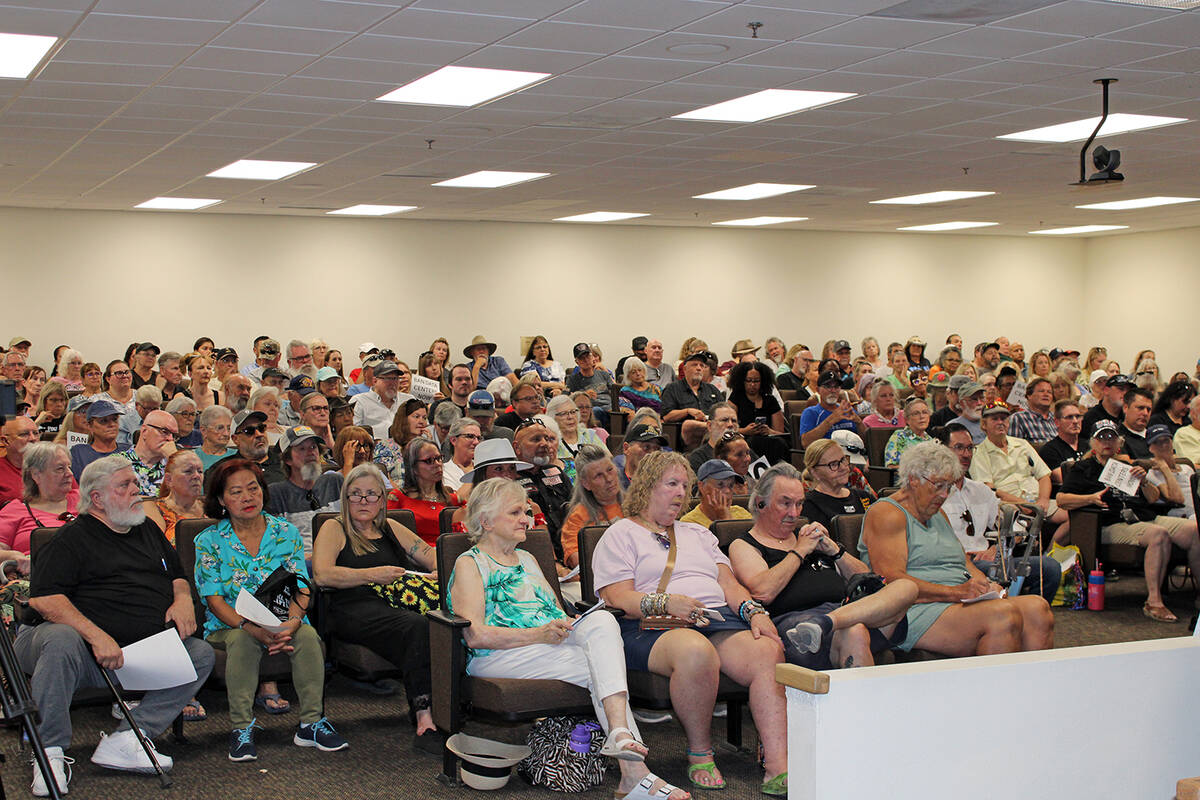
The last question most often separates a welcome project from a resented one, and it costs nothing. A developer that shows up early, explains the project and listens will earn the community’s trust. One that treats the community as an afterthought invites a fight even when the technical details are sound.
In North Dakota, the contrast between the two projects is sharpest. Williston’s residents felt the project was imposed on them, and the relationship never recovered. Ellendale’s developer held open town halls before construction, answered questions directly and even sent a representative to talk with the local coffee club. That goodwill carried the project through the ordinary friction every large development creates.
Quincy, Washington, did not get lucky, and the towns now revolting were not simply unfortunate. A data center can lower a town’s taxes or raise its blood pressure — and the outcome is rarely an accident. The communities that come out ahead are not the ones that just said yes or no. They are the ones that asked the right questions first.
Robert Mayo is a research specialist at the Challey Institute at North Dakota State University. He wrote this for InsideSources.com.