The idea that states must shower subsidies on favored interests to create jobs and juice their economies has, unfortunately, taken root across the political spectrum. But Republicans and Democrats could save the taxpayers plenty of treasure if they would instead come together on occupational licensing reform.
A recent report in Governing magazine finds that 1 in 5 U.S. workers requires a government permission slip to work. Some 22 percent of those employed need a license to ply their trade. These aren’t just medical doctors, airline pilots or attorneys. Many states require barbers, cosmetologists, interior designers, landscapers, nail artists, security guards and others to earn a credential before they may legally make a living.
“Too often, the occupational licensure laws on the books do not reflect the world we actually live in,” Alanna Wilson wrote in Governing. “American workers wishing to launch a career, build their own business or re-enter the workforce in one of 102 lower-income occupations must on average give up nearly a year to education and on-the-job training, pass at least one exam and pay nearly $300 in fees.”
Some states are more restrictive than others. According to the Archbridge Institute, Nevada ranks 29th out of the 50 states, putting it in the middle of the pack. The fact that licensing requirements vary wildly between states highlights the folly of the argument that these restrictions ensure consumer health and safety. “Are Arizona and Nevada suffering,” reason.com’s J.D. Tuccille wrote this month, “because they don’t require electricians to navigate California-style credentialing?”
Instead, many of these obstacles simply protect incumbent practitioners. Not only does this lead to higher prices, it also discourages entrepreneurship, quashes opportunity (particularly for the economically disadvantaged), hinders job creation, stymies economic growth and deters mobility.
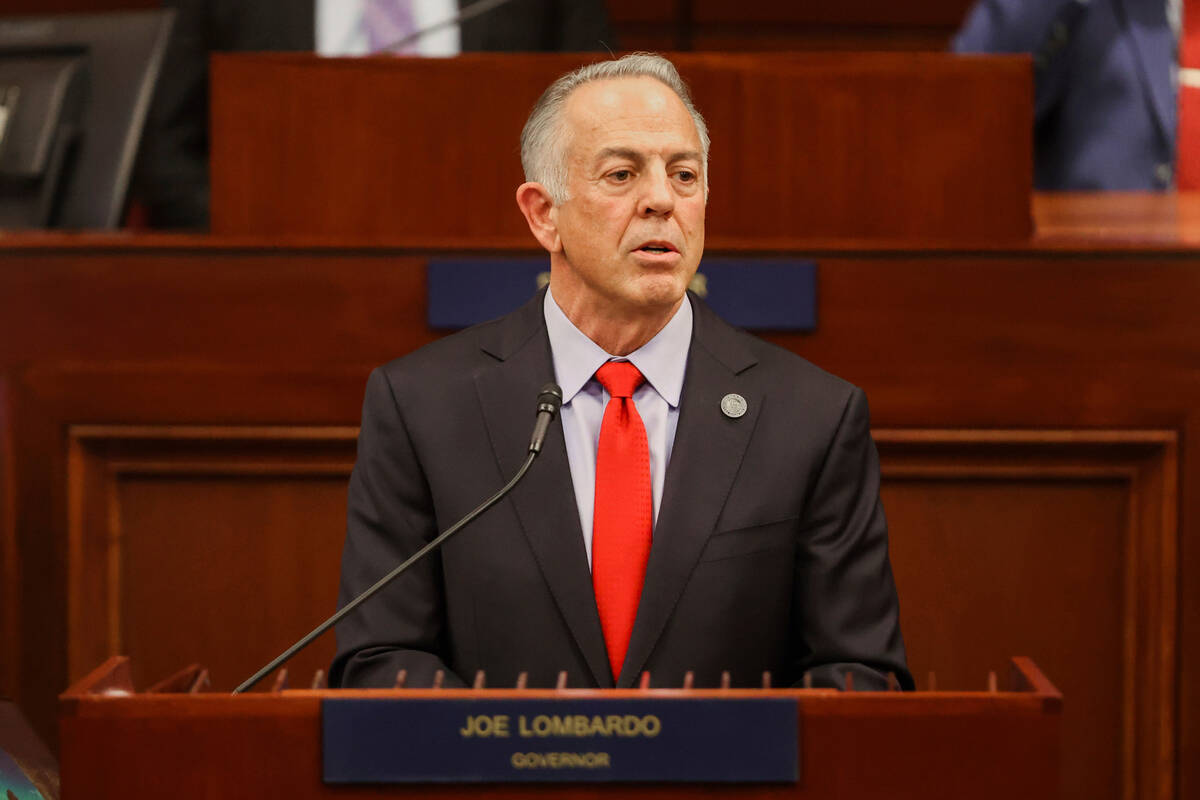
Nevada Gov. Joe Lombardo favors reforming the state’s occupational licensing laws, but legislation he proposed in 2025 to push the idea forward died a slow death in the Legislature, where the Democratic majority caved to the powerful entrenched interests who favor the status quo. The governor should continue to emphasize the issue moving forward as a means of economic growth and development.
If lawmakers won’t budge on substantive reform, they should support reciprocity under which Nevada recognizes the right of those who have earned licenses in other states to also make a living in the Silver State.
If the folks in Carson City spent as much time clearing the regulatory thicket as they do lavishing established interests with taxpayer handouts, perhaps the state could improve its diversification efforts and drop its stubbornly elevated unemployment rate.