“Rinsing out tuna cans and tying up newspapers may make you feel virtuous, but it’s a waste of time and money, a waste of human and natural resources.” So said New York Times science writer John Tierney in his now-legendary 1996 article “Recycling Is Garbage.”
Tierney was angry over Americans being misled about what really happened when they took the time and expense to recycle. Much of their effort didn’t reduce carbon emissions or save any trees.
Thirty years later, the data continue to prove Tierney right. And yet, every day, millions of Americans flatten Amazon boxes, place them in curbside recycling bins, and assume they’re helping save the world.
That’s because the paper industry’s largest trade association promoted cardboard as one of America’s greatest environmental success stories, repeatedly touting recycling rates above 90 percent. But, as has happened across the rest of the recycling industry, the math turned out to be bogus.
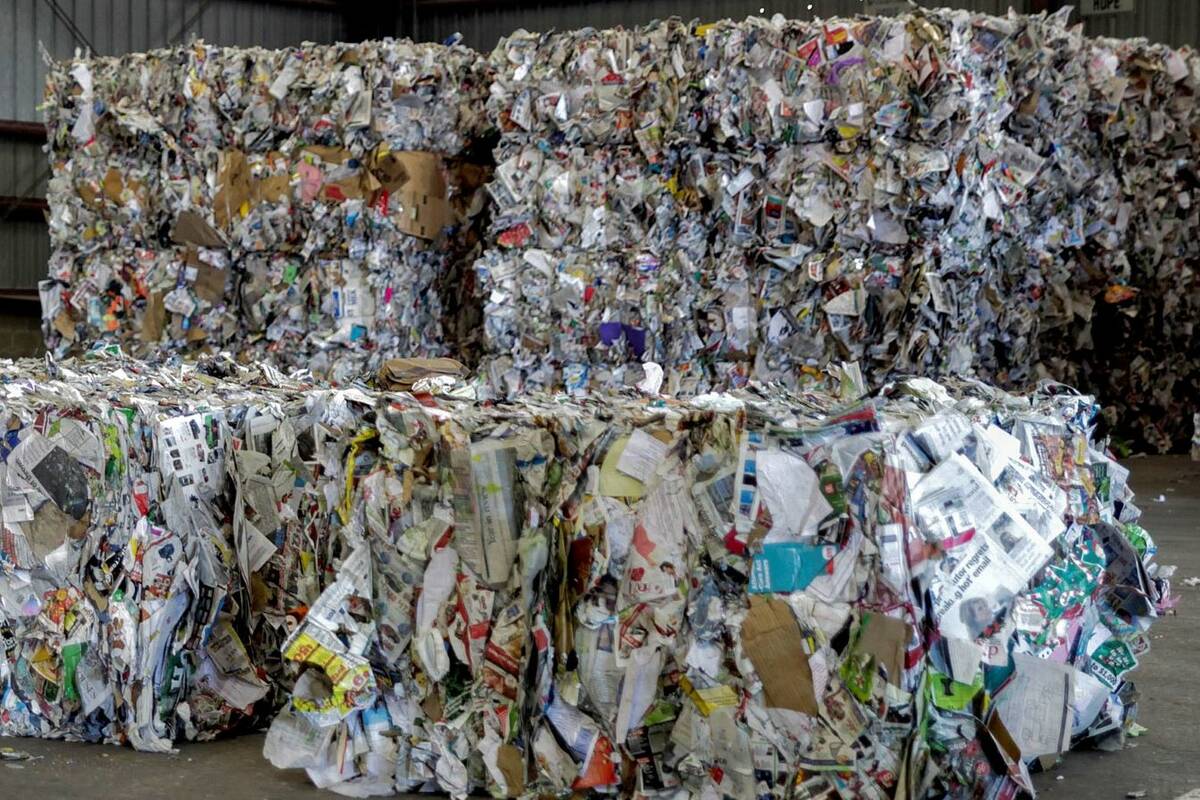
After revising its methodology, the American Forest &Paper Association revealed that it had overstated its 2022 cardboard recycling rate by 25 percentage points, to 93.6 percent. The industry now acknowledges that one-fourth to one-third of corrugated cardboard available for recovery is not recycled. Overall paper recycling rates are lower still, falling to 60 percent from 64 percent.
“Consumers believe the recycling of cardboard is a given when it’s not,” said Sarah E. Hunt, president and CEO of the Joseph Rainey Center for Public Policy. “At a global scale, candidly, too much cardboard winds up in landfills.”
“If you throw that Amazon box in the recycling bin, it’s essentially a coin flip on if it will be recycled,” said one packaging consultant familiar with the issue. “It certainly could be, but it’s far from a guarantee.”
That revision raises questions about the industry’s years-long marketing campaign and whether consumers and policymakers were given an overly optimistic picture of cardboard recycling.
The change matters because Americans receive billions of corrugated shipping boxes annually. Industry campaigns such as the paper association’s Better Practices, Better Planet 2030 feature messages to consumers such as “Yes, paper gets recycled!” that lead consumers to believe that putting a box in the recycling bin means it will become another paper product.
The industry’s message, critics say, is that cardboard recycling is virtually automatic.
AF&PA defended its process and commitment to transparency. “The updated methodology reflects that continuous-improvement process and provides additional context for understanding national paper and cardboard recycling trends,” said Abigail Sztein, AF&PA’s executive director of recovered fiber. “What remains clear is that paper recycling works: 46 million tons of paper was recycled in the United States in both 2023 and 2024, and our industry continues investing in projects that put more recycled paper into new products.”
That explanation is unlikely to satisfy critics who question why consumers, retailers and policymakers were encouraged to rely on recycling figures exceeding 90 percent for so many years when those figures were already suspect.
And then there’s the question raised by Tierney: Is recycling about saving the planet or patting yourself on the back? What have you accomplished when you force a busy mom chasing her kids through the grocery store to give up her plastic shopping bag and switch to paper, other than making her life a little harder?
Plastic shopping bags have a lower carbon-dioxide footprint than paper on a single-use basis — they take far less energy to produce and, being six to 10 times lighter, generate a fraction of the transportation emissions. Seven trucks of paper bags equal one truck of plastic bags. Recycling cardboard requires even more trucks and more factory processing, which means more carbon emissions.
Or, put another way, sending trucks and trains to move mounds of cardboard so it can be processed at a factory takes a lot of gasoline, diesel fuel and electricity. Is the net benefit worth the effort?
Calvin Lakhan of York University’s Circular Innovation Hub has argued that public discussions frequently focus on collection and participation while overlooking what ultimately happens to materials after they enter the recycling system. “It’s important to remember that what we put in the recycling bin is irrelevant, it’s what happens after that matters most,” Lakhan wrote.
That distinction has become increasingly important as paper and plastic compete for market share in packaging. Paper’s strongest environmental selling point has been its recycling story, and recycling statistics are routinely cited in legislative debates over packaging regulations, procurement standards and extended producer responsibility laws.
“Assuming that all packaging is recycled guides policymakers toward policies that are ineffective,” said Hunt of the Rainey Center. “Policymakers deserve accurate facts to ensure our laws reflect reality.”
Michael Graham is the managing editor at InsideSources.com.