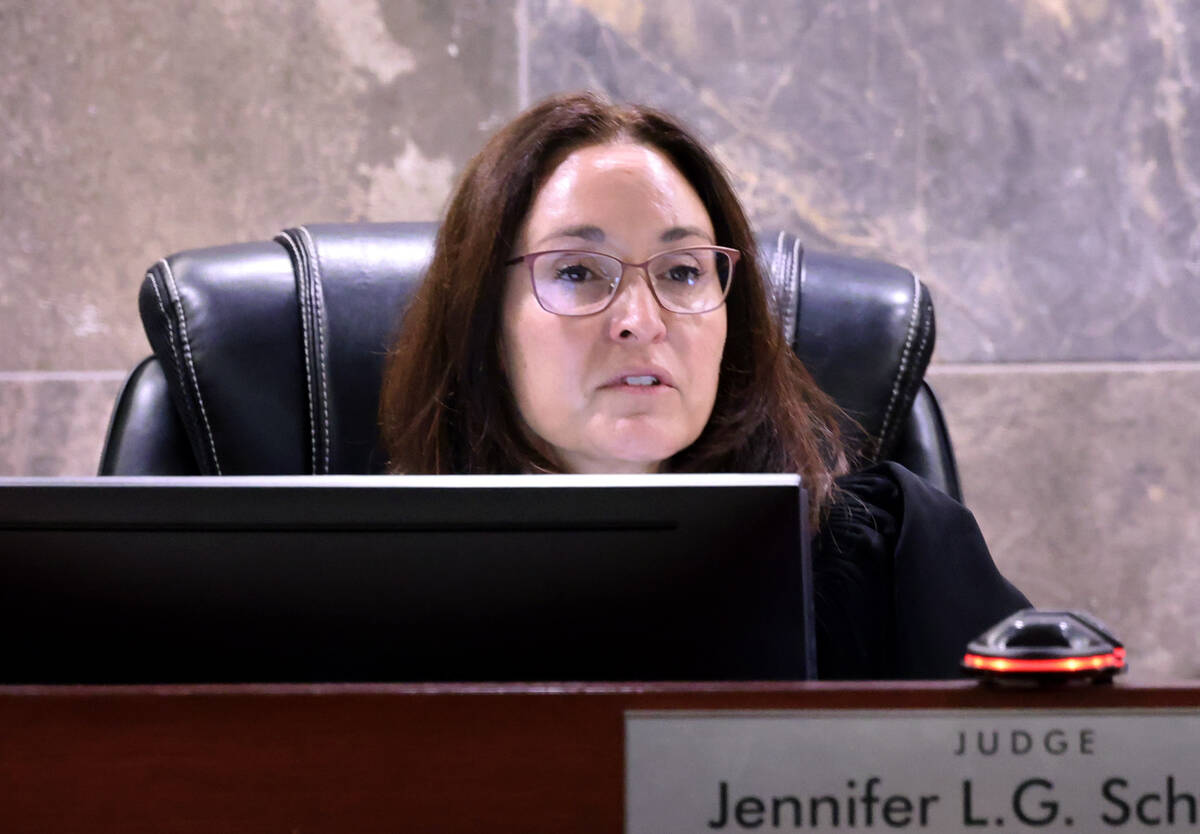
Sometimes showing compassion is a vice, not a virtue. Consider the actions of District Judge Jennifer Schwartz.
In March 2024, 17-year-old Devin Heath was at a park with family and friends. While he was jaywalking across the street, Jesus Barraza, then 18, hit him with his truck. At the trial, prosecutors said Barraza was racing another driver down the residential street. Before the crash, he hit 73 mph in a 30-mph zone.
The evidence was so overwhelming that even Barraza’s own defense attorney couldn’t defend him.
“It is unusual for a defense attorney to get up here and admit that their client is wrong, but that is what I’m doing today, because what Jesus did on March 18 of 2024 was not reasonable or prudent,” Melanie Scheible said during the trial. “He was outside of those parameters. He was driving too fast, and that resulted in Devin’s death.”
She wanted jurors to convict him of vehicular manslaughter instead of a more serious charge. But jurors didn’t buy it. They took less than one hour to find Barraza guilty of reckless driving resulting in death. Prosecutors wanted Barraza sentenced to 28 to 72 months in prison.
But on Wednesday, Schwartz gave Barraza probation.
“You are a child, and you killed a child, and I know it wasn’t intentional,” Schwartz said. “This is your one shot.”
That sounds compassionate, but it didn’t sit well with Raymond Heath, the victim’s father. He called the decision “trash.”
There are two problems. First, Barraza already had his “one shot.” He used it to drive recklessly — with deadly consequences. Schwartz is giving Barraza a second chance despite how poorly he used his first chance. Second, while compassion is often an admirable personal virtue, Schwartz wasn’t acting in her personal capacity. She was sitting on the bench as a judge. Her job is to apply the law fairly. The goal of this process is justice — giving someone what his actions deserve. In this case, Schwartz failed to do her job.
Notice this. If Schwartz were a counselor or prison chaplain, her attitude would be both appropriate and laudable. Society needs people who see the best in others and seek to draw it out of them. But society also needs people who will hold the line and administer justice. Things go awry when somebody doesn’t bring the appropriate mindset to their current role.
That certainly happened here. Blinded by what was in front of her, Schwartz lost sight of the most important person in that trial — the victim, Devin Heath. She failed him.
Unfortunately, Schwartz is far from the only government official who doesn’t understand his or her role. Many judges are more interested in the rehabilitation of criminals than justice for victims.
Look around and you’ll see how this soft-on-crime mindset has led to more crime. The best way to push criminals and would-be criminals away from crime is to ensure they know crime won’t be tolerated. Many education officials need to learn this as well.
As Schwartz showed, compassion in the wrong context is cruelty.
Victor Joecks’ column appears in the Opinion section each Sunday, Wednesday and Friday. Contact him at vjoecks@reviewjournal.com or 702-383-4698. Follow
@victorjoecks on X.