With more than 30 casinos on the Las Vegas Strip located less than two miles from UNLV’s campus, sports betting is an unavoidable part of daily life for Rebels athletes.
That reality has made educating athletes about NCAA gambling regulations one of the university compliance department’s top priorities, particularly following the recent case involving quarterback Brendan Sorsby.
The former Cinncinati Bearcat was ruled permanently ineligible by the NCAA after it determined he placed thousands of sports wagers totaling more than $90,000 over four years across multiple states.
That changed when an appeals court reversed the NCAA’s initial decision, creating a pathway for Sorsby to continue playing football. The NCAA later issued a statement strongly opposing the ruling, which read in part:
“The NCAA is committed to supporting student-athlete mental health but must continue to aggressively defend against actions that defraud college athletics and threaten competitive integrity, such as betting on one’s own sport.”
While Sorsby’s case, and his eventual decision to not play at Texas Tech, unfolded more than a thousand miles from Las Vegas, it serves as a reminder of the challenges college athletic departments face as legalized sports betting and mobile wagering continue to expand across the country.
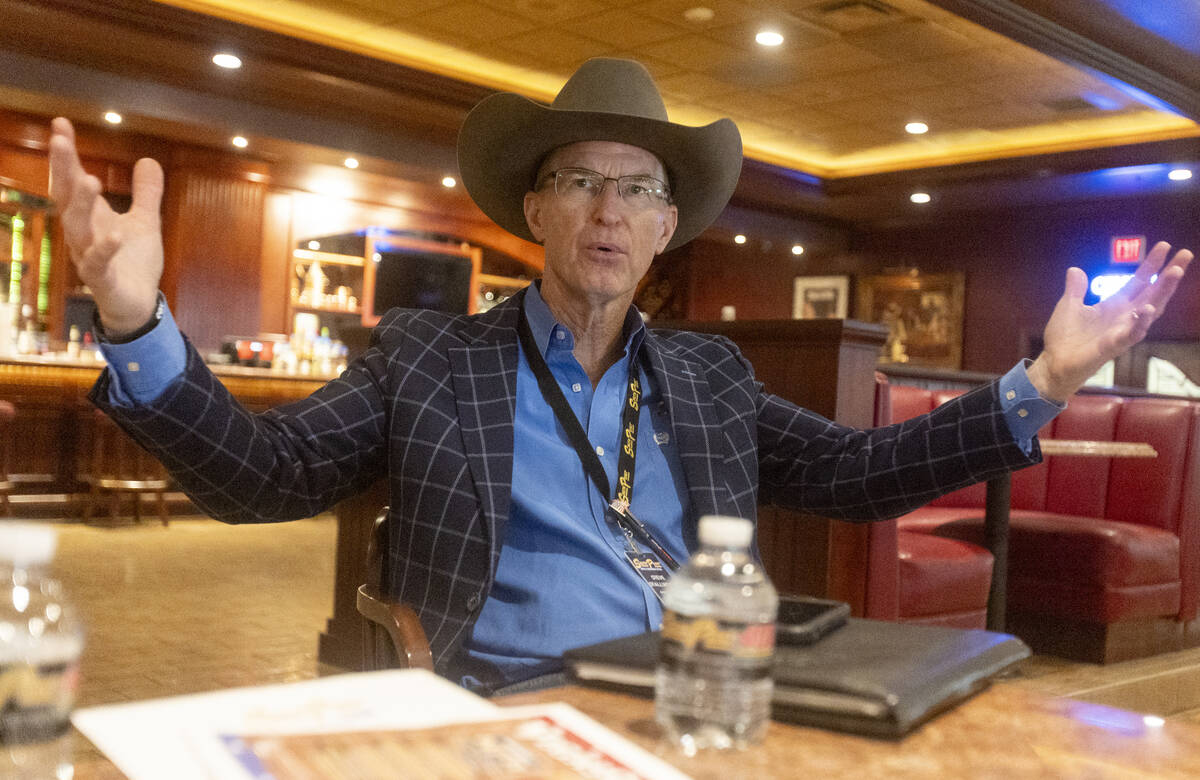
Former UNLV quarterback Steve Stallworth has watched the landscape evolve from two unique perspectives.
After playing for the Rebels from 1982-86, he now serves as manager of the South Point Arena, giving him firsthand experience with both college athletics and Nevada’s gaming industry.
Stallworth agreed with the NCAA’s original decision to declare Sorsby permanently ineligible, believing gambling on sports should carry significant consequences.
“I am on the side that (Sorsby) should have been booted immediately,” Stallworth said. “If you play at the next level, it is a lifetime ban. They found a sympathetic judge, of course, but it is a shame that the NCAA is kind of losing its power over a lot of stuff like this.
“When I played, they hammered it into us that (sports betting) was just the absolute cardinal sin. You just can’t bet on sports, and not even to mention on your own team.”
For Eric Nepomuceno, senior deputy athletics director and chief operating officer who oversees UNLV’s compliance department, preparing student-athletes for those challenges begins long before they ever step onto a field or court.
“Everything starts with our beginning-of-the-year orientation,” Nepomuceno said. “We have a specific slide and presentation that is geared and targeted to make sure our student-athletes are aware of whatever the current landscape is, and we will probably go through the Sorsby case this year to make sure they understand why that is important and why it is relevant to them.
“We will certainly let them know about the rules and expectations as they are tied to the university and the NCAA policy.”
The NCAA prohibits student-athletes from betting on sports at any level, regardless of whether wagering is legal in their state. Compliance officials also educate athletes on other activities that could jeopardize their eligibility.
“(Athletes) cannot, as a best practice, enter a sportsbook,” Nepomuceno said. “The optics of that don’t look great for any eligible currently active student-athlete.
“Information sharing is something that we also highlight. They need to be aware that they possess confidential information related to injuries, athletic culture and game planning.”
Nepomuceno believes walking through real-life examples helps student-athletes understand how seemingly harmless situations can become NCAA violations.
“They cannot share any of that information with a neighbor,” Nepomuceno said. “They can’t even share it with an uncle because that could influence someone to say, ‘If your best player is injured, I’m going to place a bet on the opposing team.’”
As legalized sports betting has expanded nationwide and mobile wagering has become more common, compliance departments across the country have placed greater emphasis on educating athletes about what is and is not permitted.
For Nepomuceno, that evolution has also changed the department’s responsibilities.
“The rise of (mobile betting) has made it more of a concentration area,” Nepomuceno said. “When I arrived at UNLV eight years ago, I was focusing on education, and now I am focusing on education and resources.
“With the rise of gambling opportunities, we have seen that it can become an issue for student-athletes, so not only do we have to educate, but we have to provide resources to rehabilitate.
“We certainly have hotlines here on campus at our disposal that we can refer our student-athletes to, as well as our CAPS (Counseling and Psychological Services) resources here, so if it is truly an addiction that they are dealing with, we can point them toward those resources to help them get better.”
Since Stallworth’s playing days, legalized sports betting has expanded across much of the country. Combined with NIL opportunities and increased social media influence, today’s college athletes face a far different landscape than previous generations.
Despite those changes, the former Rebels quarterback believes the message remains the same.
“The college kids nowadays know they can’t bet; there is no excuse,” he said. “It was beaten into us: you sign forms, and they talk about it all the time. These college kids know better.”
Although he believes strong penalties are necessary to deter violations, Stallworth agrees with Nepomuceno that the best way to prevent situations like Sorsby’s is through education before problems arise.
As sports betting continues to grow across the country, UNLV’s compliance department hopes consistent education, open communication and readily available resources will help student-athletes successfully navigate an increasingly complex college athletics landscape while avoiding mistakes that could cost them their eligibility.
“I always tell these young guys you shouldn’t be around a casino or sportsbook at all,” Stallworth said. “It is such a short window these kids have; you have four years to do the right thing.”