Here is something your utility does not advertise on your monthly bill. You are paying for electricity that was never generated. Not occasionally. Routinely. By design.
The wholesale electricity markets that set the prices underlying your bill are operated by Regional Transmission Organizations (RTOs), through rules so complex that entire law firms and consulting businesses exist just to navigate them. That complexity is not a bug. It is a feature. Every layer of rules that is hard to see is a layer that never gets scrutinized, never gets reformed, and never stops costing you money.
The day before electricity is delivered, generators submit bids into a day-ahead market. The RTO commits the units it expects to need and sets prices for each hour of the next day. Generators that clear that market receive a financially binding commitment at those prices, whether or not they actually produce a single megawatt-hour.
Read that again. They get paid whether or not they run.
If actual conditions differ from the forecast, a scheduled generator may not run at all. It still collects its day-ahead payment. The difference between that payment and the fuel costs it avoids goes straight to the generator. You paid for electricity that was never made.
Now add the next layer. Most generators in PJM Interconnection and other major RTOs receive capacity payments, separate annual payments just for agreeing to be available, regardless of whether they produce energy.
So a single generator can collect a capacity payment for existing, a day-ahead payment for being scheduled, a real-time payment when it actually runs, ancillary services payments for grid stability, and, in the case of wind and solar, federal production tax credits, state subsidy payments and guaranteed contract revenues.
Five or six revenue streams simultaneously. Some disconnected from whether electricity is actually delivered. Ratepayers are paying for all of them.
When a wind or solar generator has its economics covered by tax credits, state payments and a long-term contract guaranteeing revenue regardless of market conditions, what are the energy market payments for? The honest answer is that they are profit on top of profit, extracted through market rules written before this subsidy stack existed and never updated to account for it.
This is not a theoretical complaint. It is the concrete mechanism by which billions of dollars in taxpayer subsidies end up as shareholder profit rather than savings on your electricity bill.
Generators know what competitors are likely to bid. They watch real-time pricing data updated every five minutes. They see reserve margins tighten and adjust their bids accordingly. Then all generators are paid the clearing price, the highest price accepted, not their actual bid.
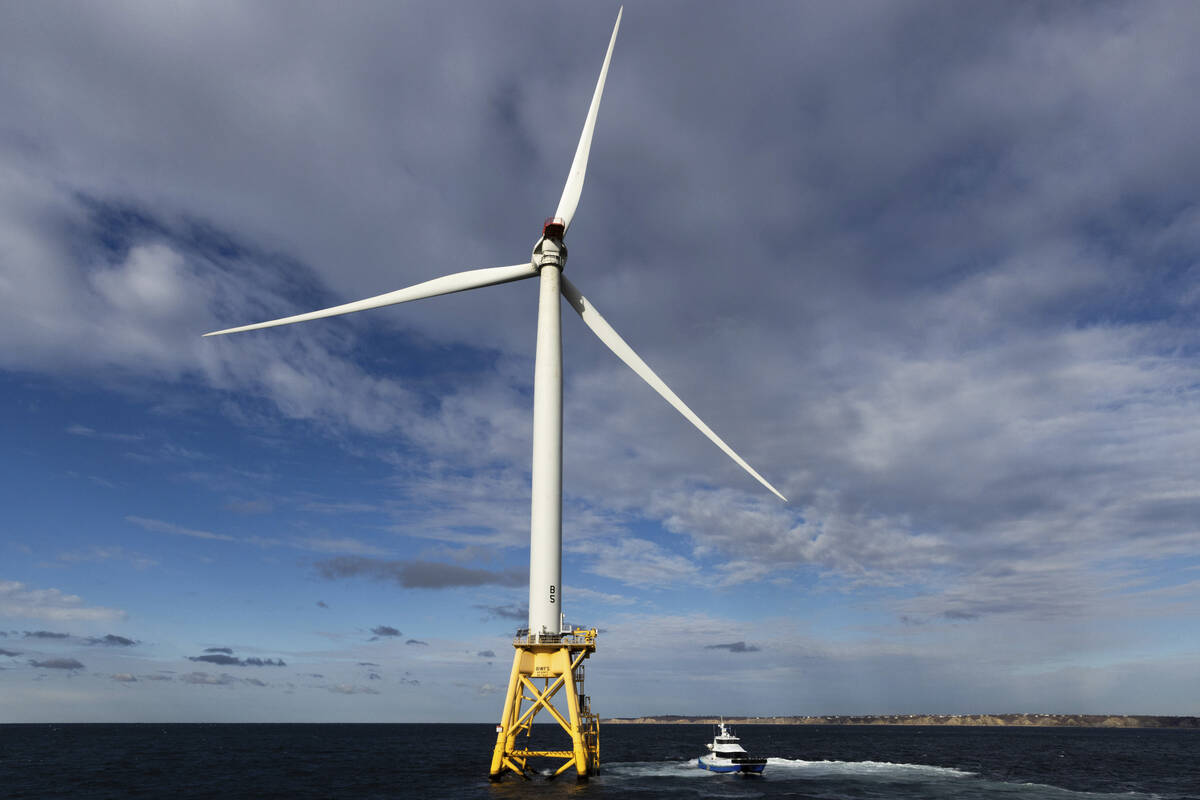
Traveling through the mega-wind farms in Indiana recently, I saw about half of them sitting idle even though there was plenty of wind. My educated guess is that they were gaming the market by not producing electricity even though they could. We pay for this, too.
The solution does not require new technology or unproven theory. It requires one principle applied seriously: generators should bid what it actually costs them to produce electricity, minus every dollar of taxpayer subsidy they receive.
If a wind project is receiving federal tax credits, state payments and guaranteed contract revenues that cover its costs, its energy market bid should reflect those offsets. The ratepayer, not the shareholder, should capture the benefit of subsidies that came from the ratepayer’s tax dollars.
That principle, requiring full true-cost bidding with all subsidy revenues subtracted from costs, is at the heart of the Free Enterprise Electricity reform package. It would require generators to certify all revenue sources annually, calculate a net true-cost bid floor, and submit that certification for possible audit. Falsifying it would be treated as market manipulation.
The utilities and generators that profit from the current system will call this complicated and unworkable. Pay attention to who objects and what they are protecting.
The system was deliberately made complicated. Reforming it starts with one simple demand: show us what you actually cost, net of every dollar the public has already paid you. Then bid that, with a reasonable profit margin. We need an electricity grid that serves ratepayers more than utilities and generators.
Frank Lasee is the president of Truth in Energy and Climate. He wrote this for InsideSources.com.