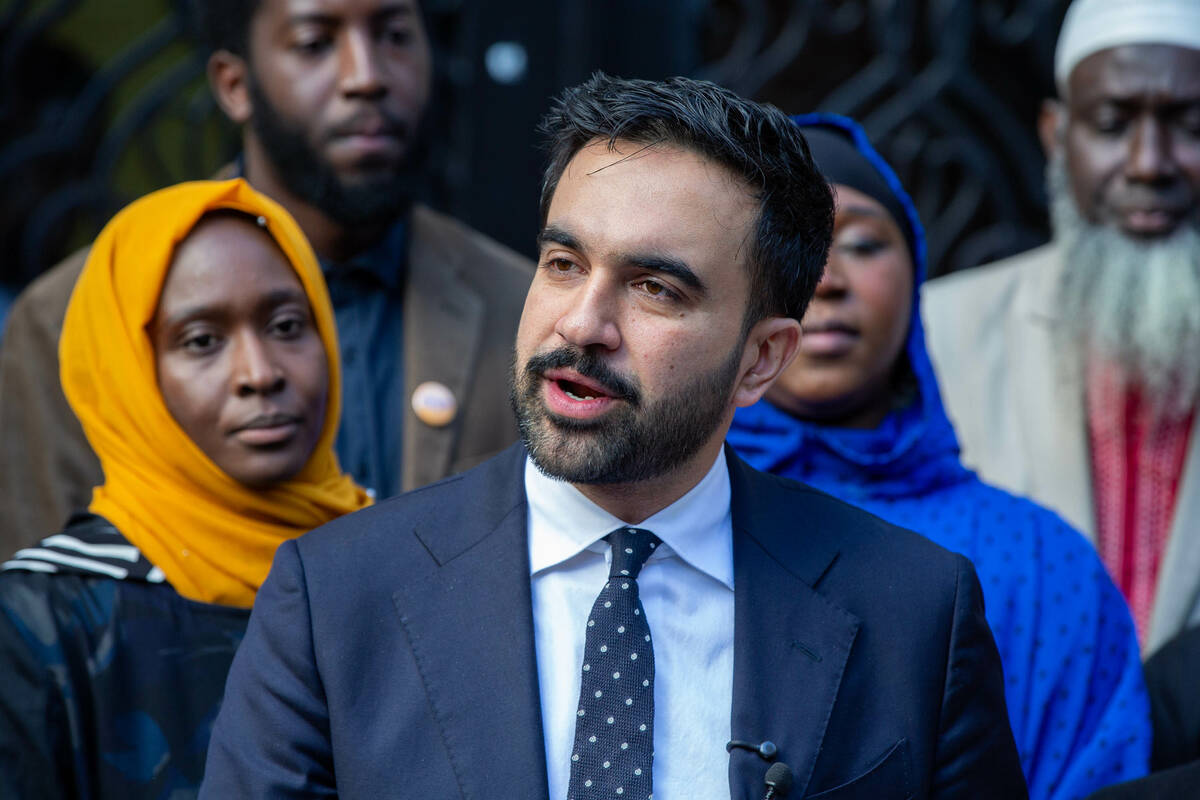
Starvation has been a problem in communist countries. Obesity is a major problem in capitalist countries. Yet New York City mayor Zohran Mamdani believes his city needs the government propping up new grocery stores.
Mr. Mamdani, an open socialist, is struggling to balance the budget. He’s already proposed reducing public library funding. His promise of free buses isn’t going to happen. Big Apple residents didn’t take kindly to his proposed property tax hike. As it turns out, money doesn’t grow on trees, especially when you’re busy driving millionaires and businesses to Florida.
But reality hasn’t persuaded Mr. Mamdani to give up his socialist pipe dreams. This month, Mr. Mamdani unveiled the location of his first government-backed grocery store, a 9,000-square-foot project in East Harlem. It will cost $30 million to build and is projected to open in 2029. Good thing no one will be hungry over the next three years.
No one has ever accused socialists and communists of being economically efficient. For comparison, a new Aldi can cost less than $3 million, not including land. In total, Mr. Mamdani wants to build five government-run grocery stores and has set aside $70 million to do so.
“A public option allows us to intervene where the market has failed,” Mr. Mamdani said. “We cannot accept a status quo where even the most fundamental needs — putting food on the table — feel out of reach.”
While it’s true that grocery prices have gone up in New York City, that’s hardly a condemnation of the market. It wasn’t the free market that kept New York City locked down during the COVID-19 pandemic. It wasn’t the free market that pumped money into the economy, causing runaway inflation. It’s not the free market that keeps Walmart from opening in New York City.
The mistake Mr. Mamdani and other socialists make comes from a misunderstanding of profits. They believe that profits are a line item in a budget. Remove that line item and costs go down.
But while they do show up on a spreadsheet, profits are the reward a company receives for providing a desired good or service at an acceptable price. This incentive keeps them efficient. Plus, if costs go too high, they go out of business.
Stores backed by the government don’t have that urgency. They can lose money, knowing taxpayers will subsidize losses. These subsidized stores can drive for-profit stores out of business by offering goods at artificially low prices.
Look around the world to see how this turns out. Mao Zedong’s Great Leap Forward led to a famine that killed an estimated 30 million people. Globally, capitalism and free trade have reduced extreme poverty from 80 percent 200 years ago to single digits today. New York City could save $70 million by learning from history. Government-backed grocery stores are a bad idea.