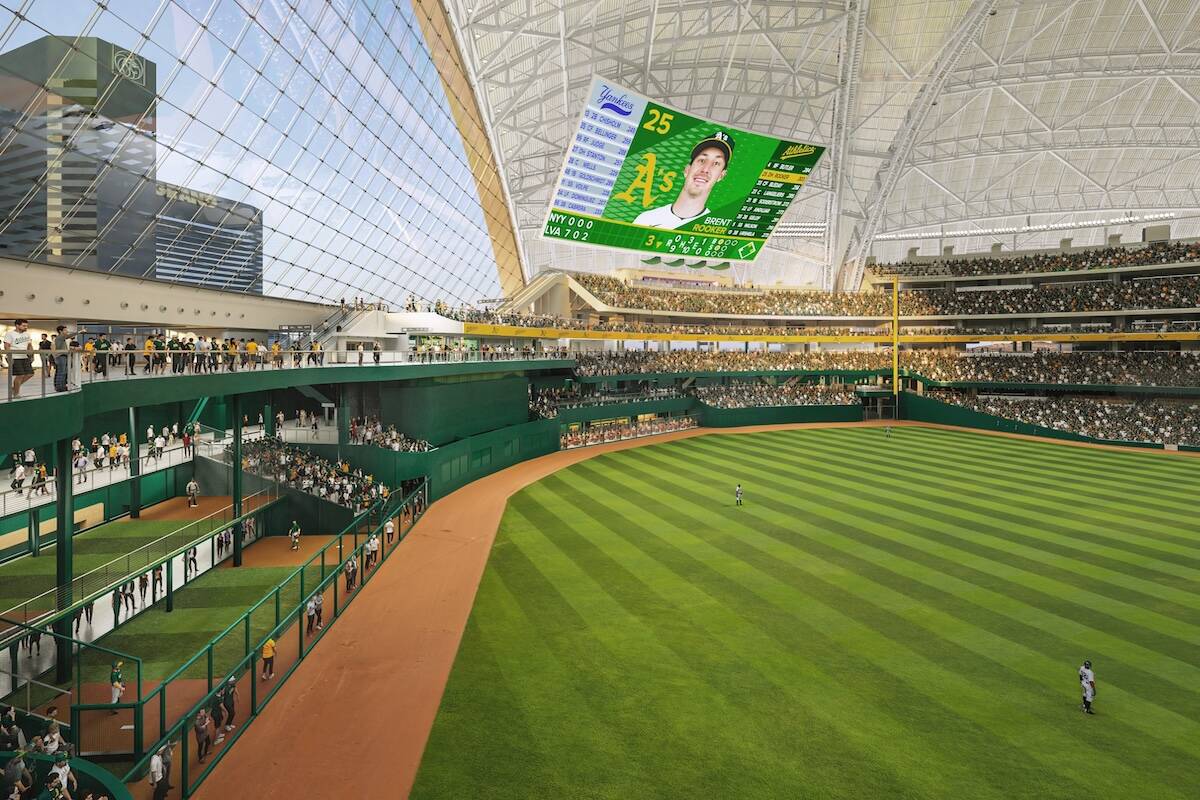
As the dust literally settles on the remains of the Tropicana, and the first massive steel buttresses of the Athletics’ new $2 billion ballpark rise toward the sky, Southern Nevada is forced to confront a sobering reality. For years, the narrative sold to taxpayers was that these “public-private partnerships” are the only way to keep Las Vegas competitive. But as we watch $380 million in public assistance authorized by Senate Bill 1 drain toward a project owned by a California billionaire, we have to ask: At what point does our “sports mecca” ambition turn into a fiscal mirage?
The economic justification for this handout is crumbling faster than the old Trop’s facade. Proponents point to the success of Allegiant Stadium as the blueprint, but they conveniently ignore the fundamental difference: The NFL is a scarcity-based juggernaut with eight home games that act as massive tourism events. Major League Baseball is a 162-game marathon played in a 33,000-seat “boutique” stadium. We are essentially subsidizing a venue that will largely cater to locals and “casual” tourists who were already going to be on the Strip, while the public carries the debt for infrastructure that primarily benefits the team’s bottom line, not the average Nevadan’s wallet.
Meanwhile, the opportunity cost of this $380 million grows more glaring by the day. As the “Schools Over Stadiums” advocates have rightly pointed out, Nevada continues to hover near the bottom of national rankings for per-pupil funding and teacher vacancies. When our state leadership claims the cupboard is bare for class-size reduction but magically finds hundreds of millions for a baseball team that spent years intentionally alienating its own fan base in Oakland, it isn’t “economic development” it’s a betrayal of priorities.
If we can afford a retractable roof for a billionaire, we should be able to afford a functional future for our children. It’s time we stop playing the “house” in a game where the public never actually wins.