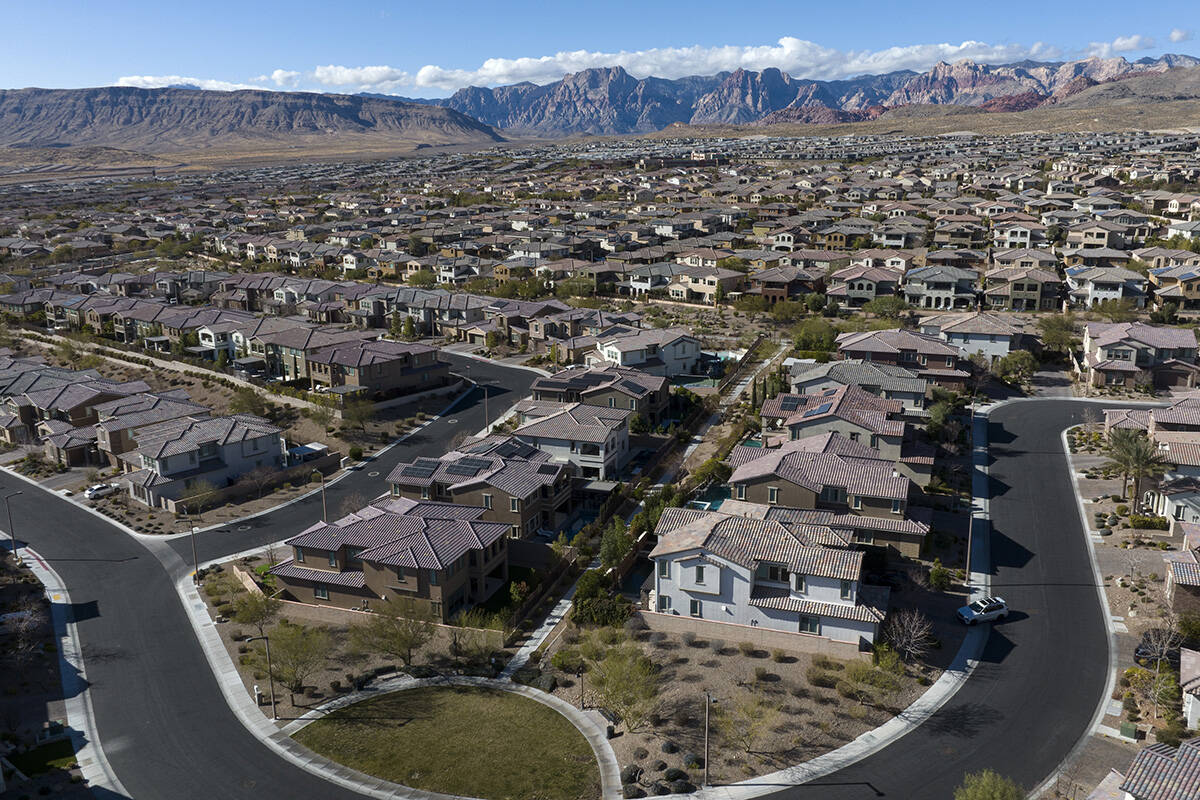
Las Vegas ranks in the top ten regarding the number of “accidental landlords,” according to a new Zillow study reviewing homes once for sale that are now for rent.
Approximately 3.2 percent of Las Vegas homes listed for sale up until last October were pulled off the for-sale market and turned into rental properties. This is above the national average (2.3 percent) and below Denver (4.9 percent), which ranked first in the country.
Zillow senior economist Kara Ng said in the valley, accidental landlords are largely a reflection of a market where negotiation power has shifted in buyers’ favor.
“Inventory has improved, homes are taking longer to sell and price cuts are more common than they were during the pandemic boom,” she said. “For some homeowners, especially those who locked in a lower mortgage rate, renting out the home can serve as a practical contingency plan instead of lowering their asking price. This kind of flexibility reflects an underlying strength in the housing market. With relatively few forced sales, most homeowners are in a position to evaluate their options and choose the path that best fits their financial goals and timeline.”
Only once since Zillow started tracking the phenomenon of accidental landlords six years ago has the share been higher than 2.3 percent nationwide, back in November 2022.
Multiple cities in Texas and Florida, along with Denver, Portland and Nashville have the largest share of these accidental-landlord properties, according to the report. It found those would-be sellers are resorting to renting instead of accepting substantial price cuts, which could indicate these homeowners don’t need to liquidate distressed properties.
Ng further explained in the press release for the report how this is impacting the residential real estate market in 2026.
“As the market continues to rebalance, sellers are facing a different reality than they did a few years ago,” she added. “Bargaining power is tilting toward buyers and homes are taking longer to sell, making renting out a property one way to buy time rather than compete aggressively on price. After all, today’s sellers are rarely forced to sell, and it appears they are often unwilling to budge off of what their heart says their home is worth.”
Contact Patrick Blennerhassett at pblennerhassett@reviewjournal.com.