In his Aug. 26 letter on Iran, Roy Berger asks a few questions.
First he asks how, if after military action to destroy Iran’s nuclear capabilities the price of oil and gasoline has gone up, can this be called success? Well, Iran has pledged “Death to America” for 45-plus years. Furthermore, its version of Islam is based on a vision that the Apocalypse is necessary to usher in the second coming of the Madhi or Hidden Iman (in a sense, their version of the Messiah). To some of its religious leadership, worldwide destruction is good and necessary to bring about worldwide Islam and peace. So an extra dollar per gallon for gas is unfortunate but, yes, the destruction of Iran’s nuclear program is a good thing and a success. Give it some time and there will be enough pipeline capability around the Persian Gulf to make the Gulf irrelevant.
Mr. Berger also asks why we needed to “invade and bomb” Iran again if, in June of 2025, we bombed and destroyed Iran’s nuclear capability. Well, we never invaded. No amphibious or airborne landings have occurred. And after destruction of their nuclear program, the Iranians could have abandoned their ambition and that would have been the end of conflict.
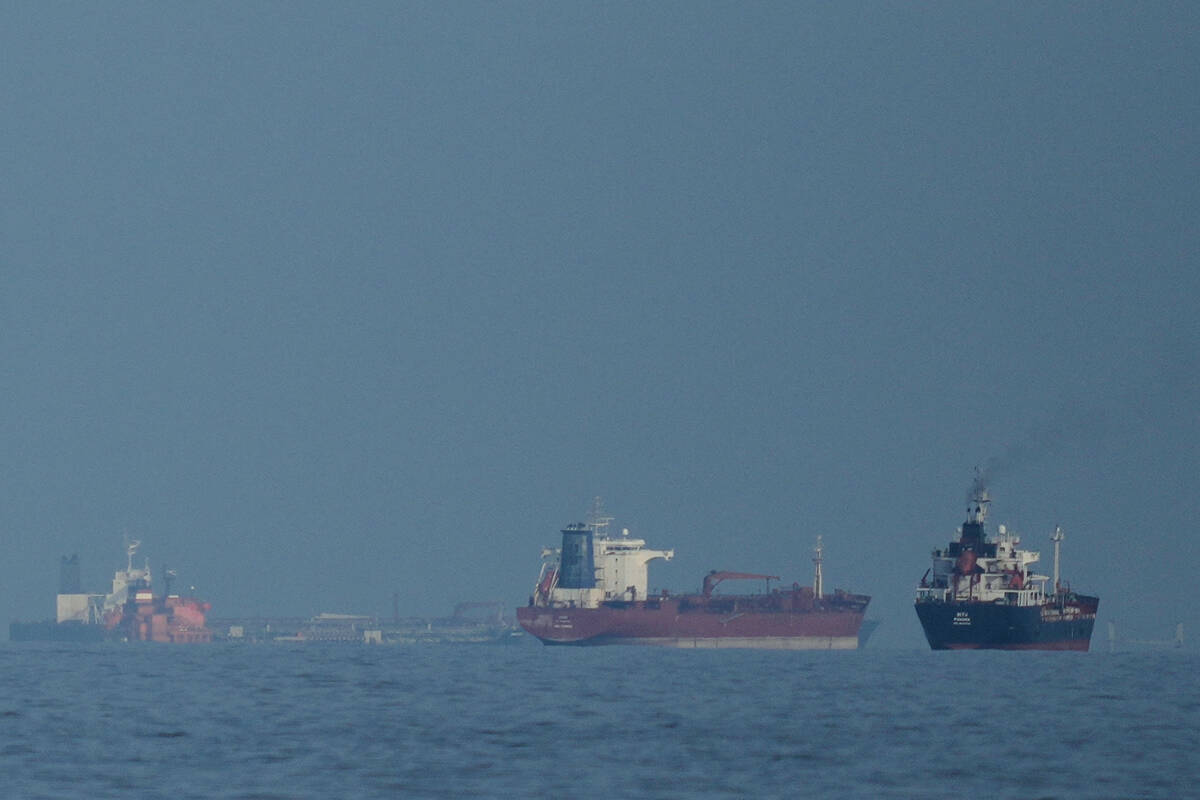
Instead, they escalated and lashed out — perhaps for revenge, perhaps to show they are still a regional power, perhaps because no one was really in charge. The reason does not matter. The U.S. response to again take military action against Iran is because it attempted to declare the Persian Gulf under its control. This is a separate and new issue.
Again, the United States had two paths: take new military action to prevent Iran from controlling the Gulf, or let Tehran have control. The U.S. response to maintain freedom of the seas (the right of free passage) is correct. Since 1801 under President Thomas Jefferson, in the First Barbary War (1801 to 1805) the United States has fought to maintain free passage of the seas.
The United States is and always has been a naval power. That is the reason the Constitution empowers Congress to “maintain a Navy” but only to “raise and support Armies” when and as needed.