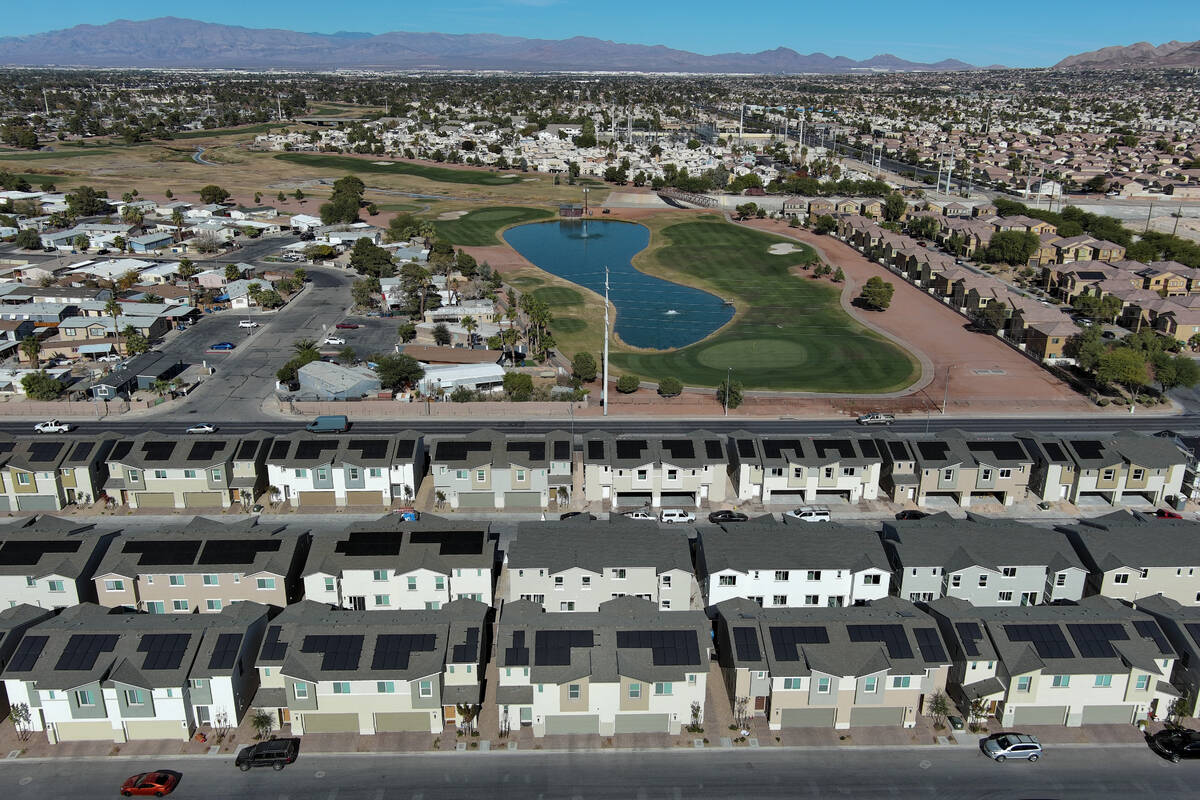
Property taxes in the Las Vegas Valley increased about 3.4 percent from 2023 to 2024, according to a new study.
Las Vegas has a relatively low property tax rate, ranking 44th overall out of the largest 49 metros in the country, according to a new LendingTree study.
The median property tax paid for a house in the valley in 2023 was $1,990, and that rose to $2,057 a year later, according to the study. The city with the highest rate of property taxes at the end of 2024 was San Jose, California ($9,901) followed by San Francisco ($8,522). The lowest was Birmingham, Alabama at $1,156.
Property tax increases have become a heightened burden for homeowners across the country over the past few years, according to the study.
“The last time we conducted this study, we found that property taxes rose 10.4 percent between 2021 and 2023,” reads the report. “And between 2019 and 2024, property taxes nationwide increased by 30 percent, according to the Institute on Taxation and Economic Policy (ITEP) — a direct consequence of the pandemic-era housing boom, which sent assessed home values soaring across much of the country.”
Looking at all the metro areas, Phoenix, Las Vegas and Birmingham homeowners pay the smallest percentage of their home value in property taxes. Homeowners in the Phoenix metro have an effective tax rate of 0.44 percent to lead the nation for smallest share, followed by Las Vegas and Birmingham at 0.48 percent. On the other end of the spectrum, the highest rates are in Buffalo, New York (2.0 percent), Chicago (1.9) and Cleveland (1.6).
The biggest increases of property taxes from 2023 to 2024 were in Tampa (7.7 percent), followed by Denver (7.4) and Miami (7.1), while the smallest increases were in Milwaukee (0.7 percent), Phoenix (1.0) and Memphis, Tennessee (1.1).
Matt Schulz, a financial analyst for Lending Tree said homeowners need to take these new additional costs into play now.
“When considering the costs of homeownership, too many people take too narrow a view,” he said. “They think about the home price, interest rates and closing costs, but they don’t always consider other recurring costs over the long run, including property taxes, HOA fees and insurance. If you’re not considering all these costs and more when thinking about how much house you can afford, you’re doing yourself a disservice. These costs matter, and you ignore them at your peril.”
Contact Patrick Blennerhassett at pblennerhassett@reviewjournal.com.