For months, Iran has projected confidence in its confrontation with the United States and Israel. Iranian officials speak the language of victory, resistance and strategic patience. State media celebrates survival as triumph. Yet, behind the rhetoric lies a far less impressive reality: a regime playing a weak hand while trying to convince the world it holds a royal flush.
Iran today resembles a poker player who survives each round not because he has strong cards, but because he hopes the others will fold first.
The Iranian economy remains under crushing pressure. Inflation has devastated purchasing power, unemployment officially hovers around 8 percent to 10 percent, while many economists think real unemployment and underemployment are far higher, and the Iranian rial (its currency) has lost 98 percent of its value against the U.S. dollar over the past decade.
Ordinary Iranians are increasingly rushing to convert their salaries into dollars, gold or crypto before their savings lose more value. Even Tehran’s public statements acknowledge severe budgetary strain. The regime’s ability to fund foreign proxies while maintaining stability at home is becoming harder.
Yet, Tehran continues to negotiate as though time favors Iran rather than its adversaries.
Part of the explanation lies in the West’s repeated tendency to mistake endurance for strength. Iranian leaders understand that democratic societies are impatient, politically divided and highly sensitive to economic disruption. Tehran, therefore, focuses less on outright military victory and more on convincing its opponents that confrontation is simply too expensive to continue.
This strategy reflects a classic doctrine of weaker powers throughout history. When direct military parity is impossible, the weaker side often seeks political leverage by raising the economic and psychological cost of conflict for stronger adversaries. Iran’s leadership understands this well. The regime presents itself as fearless and immovable, hoping the United States and its allies eventually conclude that compromise is cheaper than prolonged instability.
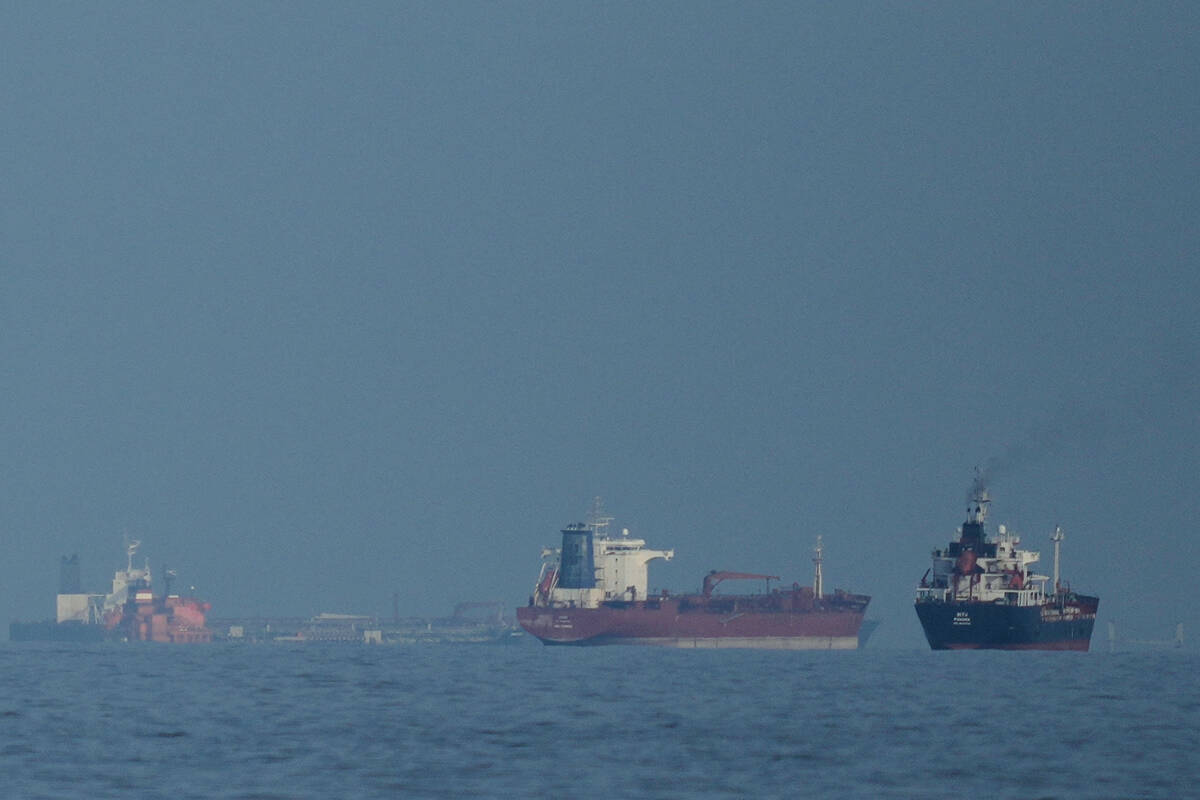
The Strait of Hormuz remains Iran’s most important psychological weapon. Even limited disruption of shipping routes can shake global markets, raise energy prices, pressure financial systems and create political anxiety in Washington, Europe and Asia far beyond the actual military balance. Tehran understands that uncertainty can become a strategic asset.
However, bluffing has limits.
The regime’s internal vulnerabilities are substantial. Younger Iranians increasingly distrust the clerical establishment. Corruption is widely perceived as systemic. Large sections of the population no longer respond enthusiastically to ideological slogans about resistance and sacrifice. Many simply want economic normalcy and relief from isolation.
Moreover, Iran’s regional network has suffered meaningful setbacks. Several proxy organizations that once projected Iranian influence across the Middle East have been weakened politically, militarily or financially. Tehran still possesses significant capabilities, but the image of unstoppable regional expansion has faded.
Contrary to many Western interpretations, Iran has not substantially changed its core position. Tehran has been remarkably consistent: preserve the regime, survive sanctions, maintain strategic capabilities, avoid humiliation and outlast its adversaries politically.
The real zig-zagging has often come from Washington, where policy repeatedly swings between threats, negotiations, sanctions, military pressure, pauses and partial accommodation. That inconsistency creates the illusion that Iran holds a stronger hand than it actually does.
Tehran understands that time can become a weapon against democratic societies. U.S. administrations change. Political priorities shift. Economic pressure on voters grows. Public patience declines. Iran, therefore, seeks less to defeat the United States militarily than to convince Washington that prolonged confrontation is too costly, too divisive and ultimately unsustainable.
None of this means Iran is harmless. A weakened regime can still be dangerous. Nations under pressure sometimes become more unpredictable, not less. It does mean the mythology surrounding Iran’s supposed strategic invincibility deserves closer scrutiny.
The central reality is simple: If Iran were truly winning, it would not be demanding sanctions relief, the release of frozen assets, economic concessions and guarantees against future military pressure. Truly dominant powers do not negotiate from a position of economic exhaustion.
Tehran’s greatest success may therefore be theatrical rather than strategic. It has convinced many observers that merely surviving pressure constitutes triumph.
Survival is not victory, and bravado is not strength. In poker, experienced players know that the loudest man at the table is often hiding the weakest hand.
Haggai Carmon is an Israeli lawyer who represented the United States in Israeli litigation for many years. He wrote this for InsideSources.com.