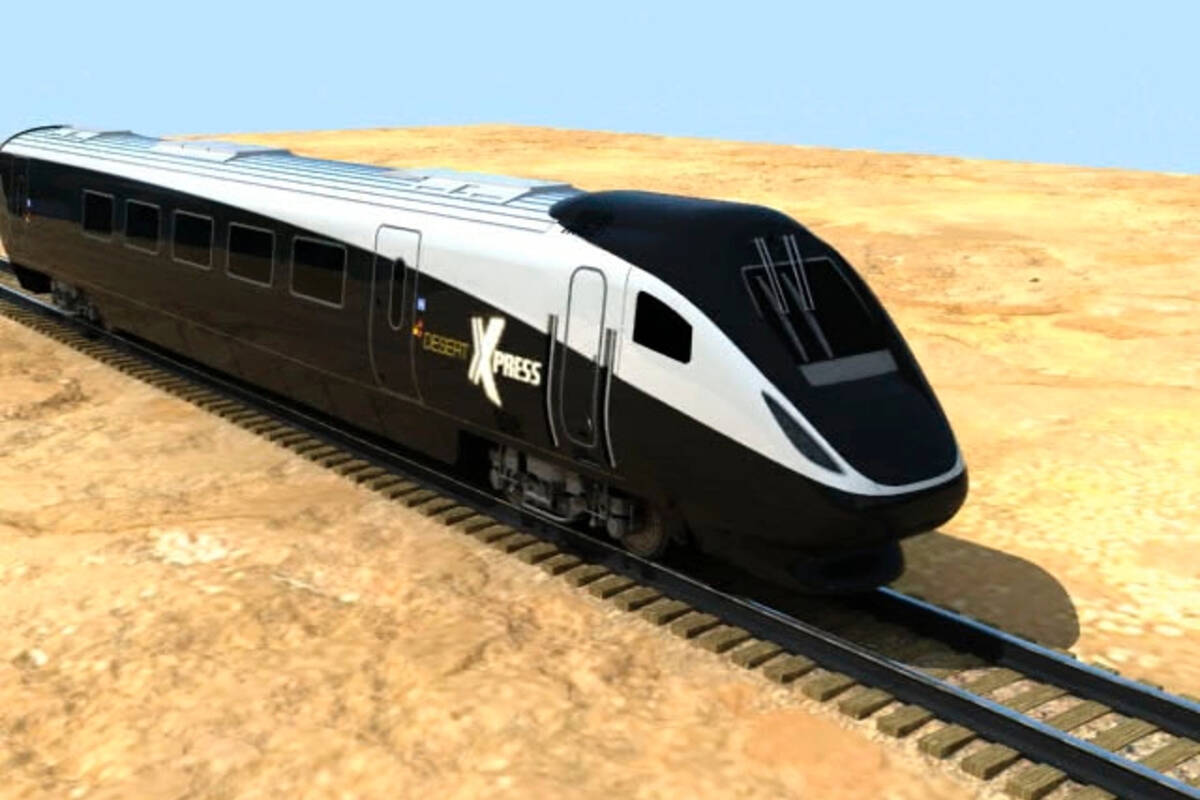
The desert between Las Vegas and Southern California is currently the site of a high-stakes financial gamble. While the Brightline West project is often presented as a sleek, private-sector alternative to the bureaucratic nightmare of the California high-speed rail project, a closer look reveals they are two sides of the same irresponsible coin.
The Los Angeles to San Francisco project is a masterclass in bureaucratic inertia. By attempting to appease every local jurisdiction along its route, the state has allowed costs to spiral toward a staggering $231 billion. In contrast, Brightline West claims efficiency by utilizing the Interstate 15 median, yet it is now begging for a $6 billion federal loan while its parent company faces “substantial doubt” regarding its solvency. If private banks won’t touch this debt, why should the American taxpayer?
While high-speed rail works efficiently in Europe, the U.S. model is broken. We lack the political will to streamline the jurisdictional gauntlet that inflates the California high-speed rail project’s costs, and we lack the fiscal discipline to deny massive loans to fragile private ventures such as Brightline. Whether it is a government-run “train to nowhere” or a private project teetering on bankruptcy, the result is the same: billions in public funds at risk for a service that may never arrive.
Before committing another dollar to the Vegas-SoCal line, the U.S. Department of Transportation must realize that funding an insolvent company isn’t “progress.” It is a liability. We must stop prioritizing infrastructure optics over economic reality.