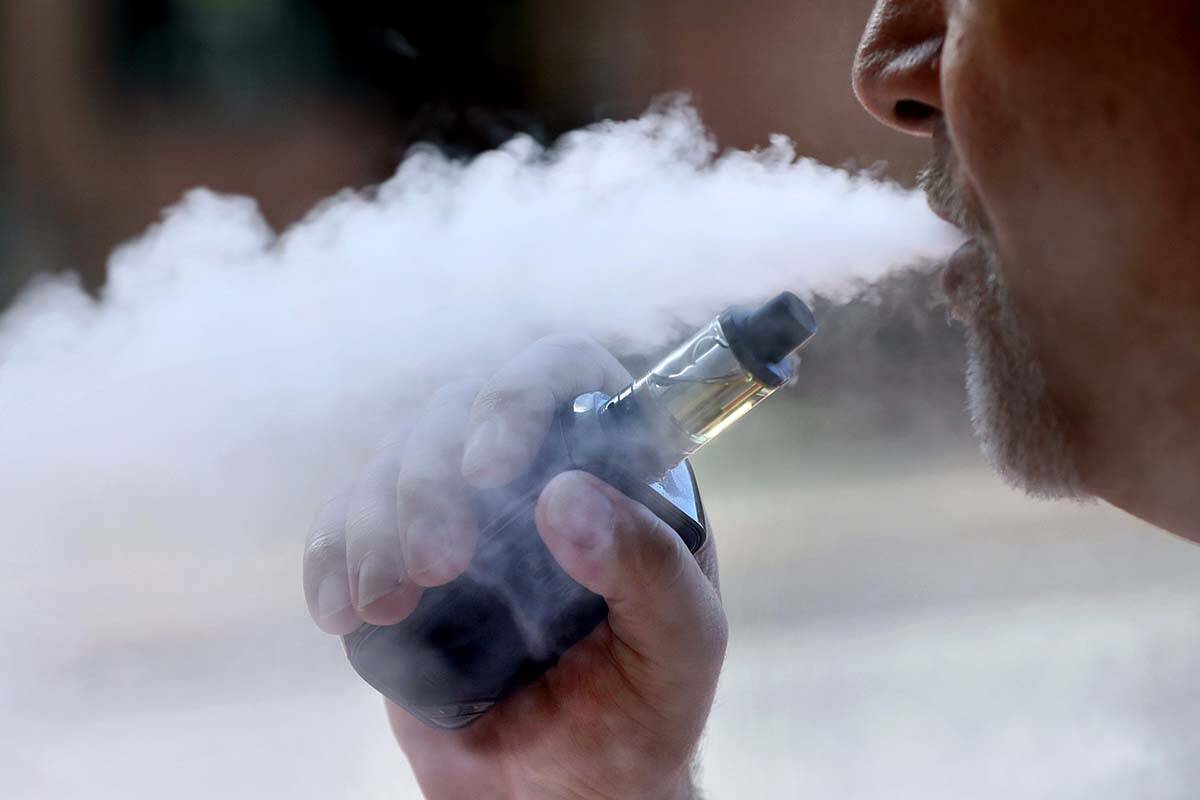
Falling teen tobacco use is generally considered good news, particularly by the public health professionals at the Food and Drug Administration. If so, the agency just buried a major headline.
The FDA has belatedly released its 2025 National Youth Tobacco Survey, but instead of the usual press releases or reports, it quietly dumped the raw data online without fanfare.
That data show that
7.1 percent of teens reported using vapes, continuing a downward trend from
27.5 percent in 2019. The percentage of U.S. high school students reporting using a nicotine pouch in the previous 30 days was also low. Since the survey began tracking pouch use in 2021, the rate has risen modestly from 1.1 percent to 2.3 percent.
So why the under-the-radar release? Some speculate it’s part of the continuing battle between advocates of tobacco prohibition — who want all sales banned — and supporters of a “harm reduction” approach with the goal of shifting adult cigarette smokers to other, lower-risk products.
“I find it odd that there isn’t more celebration of this,” said Laura Leigh Oyler, a vice president at Haypp Group.
Advocates of nicotine prohibition often focus on the potential risk to children. The new survey numbers undermine their arguments.
“If youth tobacco use had hit record highs, there would have been a press conference by noon,” said Guy Bentley, the director of consumer freedom at the libertarian Reason Foundation. “What we can draw from these numbers is that adults, not kids, drive the demand for reduced-risk nicotine products.”
The survey, conducted annually among middle and high school students, is the federal government’s main tool for measuring trends in youth tobacco use. In past years, the FDA and the Centers for Disease Control and Prevention jointly released a detailed report analyzing the findings and highlighting key trends.
Asked about the lack of context for this year’s survey, a Department of Health and Human Services spokesperson said the data are still being reviewed and the FDA will provide updates “as they become available.”
Michael Siegel, a professor at the Tufts University School of Medicine who studies tobacco control, called the decline in e-cigarette use “big news,” in particular the large drop among middle school students.
“If trends continue, we’ll see considerably lower e-cigarette use among the incoming high school students in the next few years.”
Meanwhile, Siegel said, regulators need to be realistic about young people’s behavior: “Most youth will engage in some form of risky behavior. The problem with (nicotine product bans) is that we have committed ourselves to the goal of eliminating all nicotine-related risk among youth rather than ensuring that the risks youth do take are relatively safe, at least in comparison to what they could otherwise be doing.”
Manufacturers of alternative nicotine products say the survey supports their argument that these products can help adults move away from smoking without triggering a surge in youth use.
Public health advocates who support stronger tobacco restrictions insist that stopping youth tobacco use should be the priority. They argue that even low youth use rates are unacceptable because nicotine can affect brain development in adolescents. The survey data, they argue, does not prove that youth use will remain low in the future.
Randall Bloomquist is the head of Bloomquist Media. He wrote this for InsideSources.com.