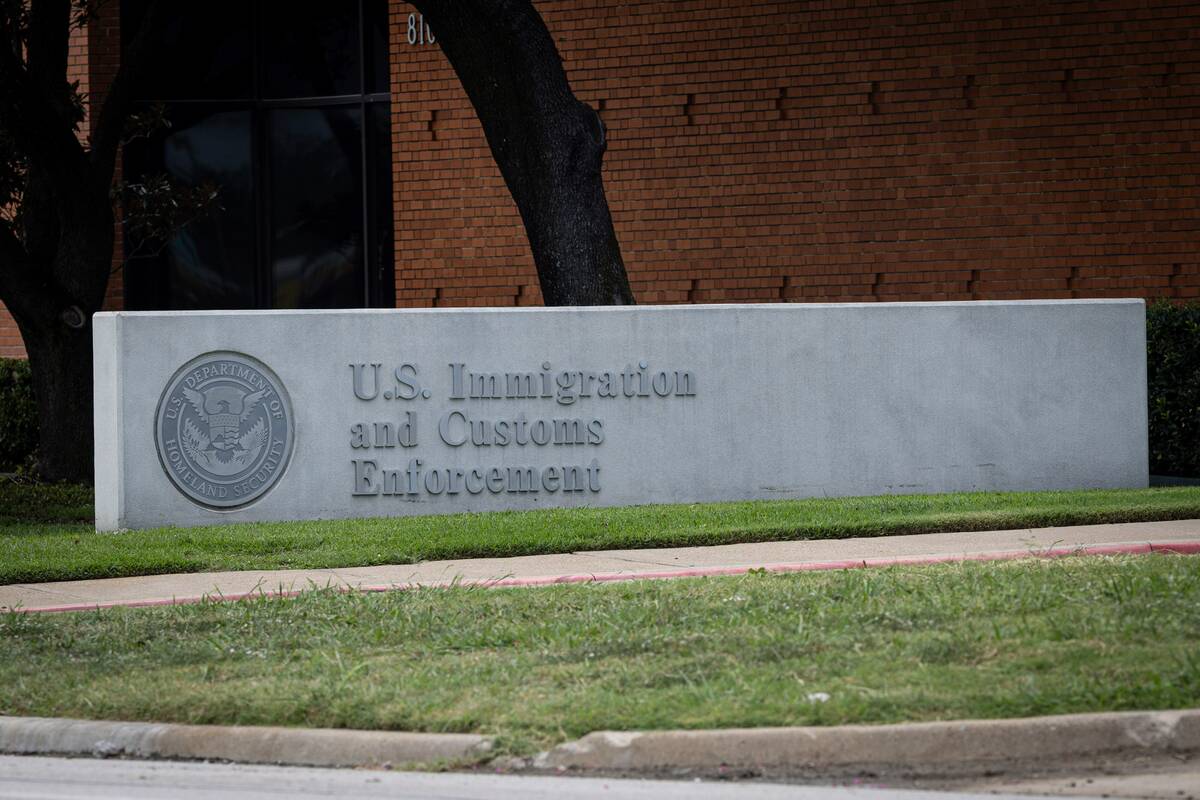
The good news is that Immigration and Customs Enforcement is preparing to provide officers with body cameras over the next few months. The bad news is that agency officials don’t sound enthusiastic about actually releasing any video.
ICE has been embroiled in controversy for most of President Donald Trump’s second term, as opponents of securing the nation’s borders object to the tactics used by agents as they apprehend those in the country illegally. Body cameras could provide some measure of accountability, helping both officers who are unjustly accused and suspects who are the victims of abuse.
Previous plans to equip officers with cameras ran into delays and fell victim to bureaucratic inertia. But the agency now says it has spent $30.9 million to provide body cameras to agents by the end of September.
There is, however, a catch.
ICE directive 19010.3 on “body worn cameras” acknowledges that the devices “may be beneficial to the execution of many of ICE’s operations and may also promote public trust; enhance service to the community by accurately documenting events, actions, conditions and statements made by encountered individuals; and increase officer and public safety, accountability and transparency.”
This is in line with what White House border czar Tom Homan said last month on CBS’ “Face the Nation”: “I think the American people need to see what that officer sees and hears. And if you look at the data, body cameras actually exonerate agents more than they, you know, provide evidence of wrongdoing.”
The directive requires officers to activate their cameras during enforcement activities, including when making arrests and executing search warrants.
So far, so good.
But the policy goes on to state that, in the case of agents causing a death or serious injury, footage will be released only when “it is in the best interests of the agency.” This will effectively empower top ICE officials to quash the release of anything caught on camera that might put the agency in a bad light.
Depending on how this discretion is exercised, this completely undermines the value of the acknowledgment that “body worn cameras” can “promote public trust” and “increase officer and public safety, accountability and transparency.” Indeed, if ICE uses this policy to hide from the public images of a controversial encounter, the agency will be undermining the public trust and sowing the seeds of doubt and suspicion.
To be fair, ICE isn’t alone. Other police agencies sometimes refuse to release body camera video of police activity. But if ICE truly seeks to embrace the power of accountability and transparency, it will rewrite the directive to reflect that department policy is to release body cam footage without delay.