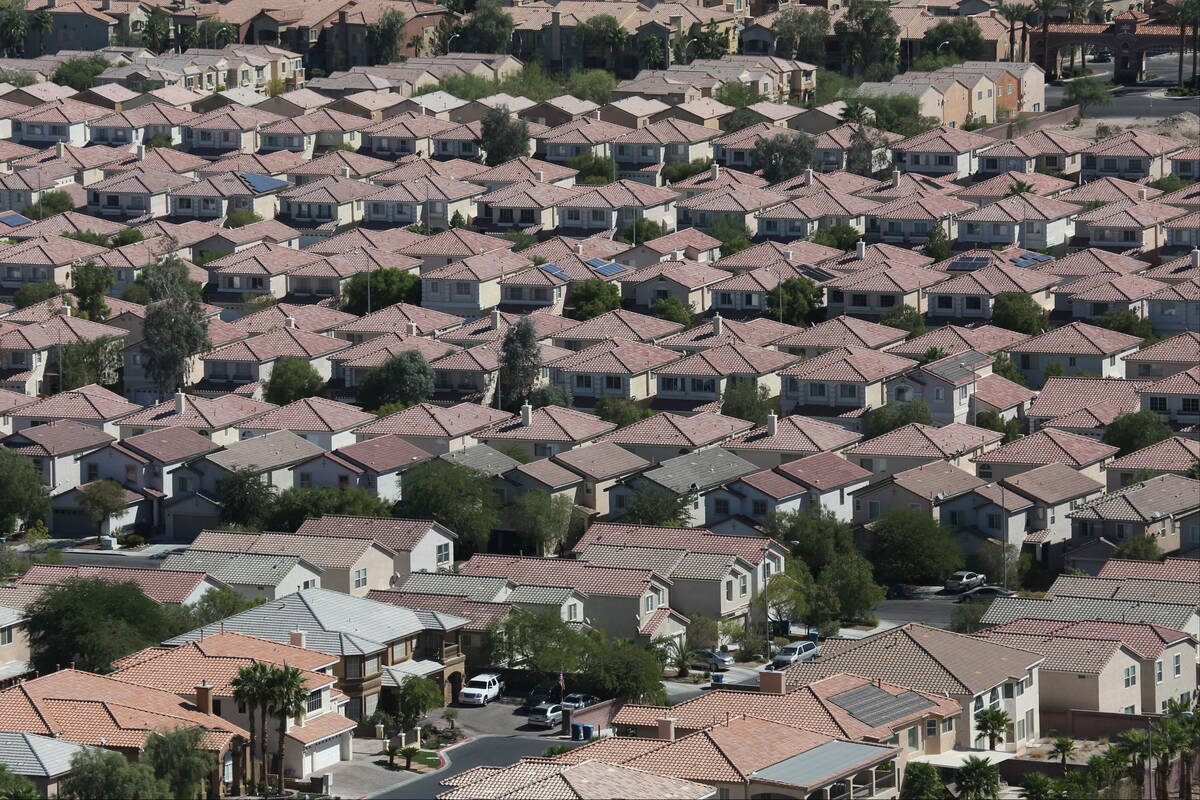
One of the most advantageous aspects of homeownership in Las Vegas is a constant target for those who want to raise taxes.
The Las Vegas Valley has one of the lowest property tax burdens in the country. According to a LendingTree study of large metro areas, the median property tax bill in Las Vegas was $2,057 in 2024. That was up 3.4 percent compared with $1,990 in 2023. That’s one of the nation’s lowest amounts. In some California cities, the median property tax bill topped $8,000 annually in 2024.
The annual increase was also manageable. Tampa, Florida, Denver and Miami residents all experienced a greater than 7 percent property tax increase in that year. In some places, large increases are normal during boom times.
“Between 2019 and 2024, property taxes nationwide increased by 30 percent, according to the Institute on Taxation and Economic Policy (ITEP) — a direct consequence of the pandemic-era housing boom, which sent assessed home values soaring across much of the country,” the report said.
Las Vegas’ property tax rates aren’t low because home prices have plummeted. Homeowners here had an effective tax rate of 0.48 percent. That’s one of the lowest rates in the country.
This didn’t happen by accident. Nevada’s property tax system has a lot of moving parts, but one important feature is a property tax cap. In 2005, the Legislature limited property tax increases to 3 percent annually for a person’s primary residence. The cap for most other properties is 8 percent.
These caps create a comfortable balance. They provide state and local governments with higher tax revenues but not at such a high speed that property tax hikes force homeowners to sell. They also offer some protection to Nevada governments against a future downturn. The value of many homes has increased faster than property tax rates. This means that if home prices drop some, tax revenues will be more stable. Avoiding boom-and-bust revenue cycles is a good thing.
But what’s popular with the public is viewed with disdain by Nevada’s education bureaucrats. In 2024, the Commission on School Funding put out a 500-page report. A major focus was undermining these tax caps, which are also called abatements.
“Abatements can be phased out over time,” the report said. Or “an alternative to phasing out the abatements would be to eliminate them immediately.”
Homeowners beware. Government has an insatiable appetite for more tax dollars. But Nevada’s property tax caps limit that appetite, producing one of the most affordable property tax systems in the country. State legislators concerned about the housing market and “affordability” should look elsewhere to finance their spending addictions.