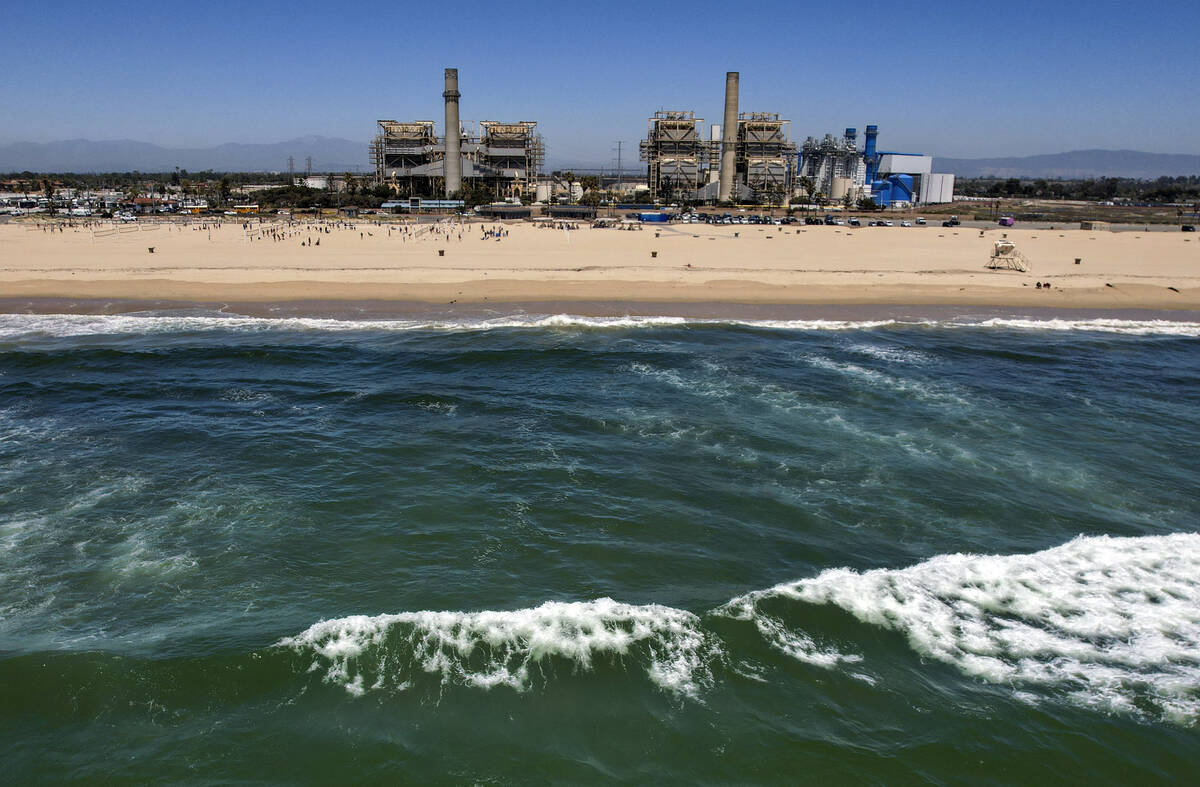
Many people believe desalination plants are the solution to the Southwest’s water shortage. But there are drawbacks in environmental, economic, operational and health-related areas:
■ Desalination, especially reverse osmosis, is highly energy-intensive. Most plants rely on fossil fuels, leading to significant CO₂ emissions and contributions to air pollution. This ties water production costs to energy prices and can worsen climate change. Renewable integration helps but adds costs and isn’t widespread.
■ Plants produce volumes of hypersaline brine, which is often discharged into the ocean. This creates high-salinity plumes that harm marine life, reduce oxygen, damage sea grasses, corals and benthic organisms, and affect fisheries. Brine often contains added chemicals, amplifying toxicity.
With time, these obstacles may be overcome. But there is more that needs to be done to make this feasible.